Discovering hands-on learning ideas for kids aged 8-12 can be a game-changer for their development. By engaging in interactive and practical activities, children not only learn new skills but also enhance their critical thinking and problem-solving abilities. In this article, you'll find a collection of actionable ideas and activities that are perfect for home and classroom settings. For more resources and support, consider exploring the Fireside app, which offers a wealth of learning tools and activities.
What Are Some Easy Hands-On Learning Activities for Kids?
Hands-on learning is all about making education active and engaging. It's not just about reading a book; it's about experiencing the subject matter first-hand. Below are some simple yet effective activities that you can easily incorporate into your child’s routine.
DIY Science Projects
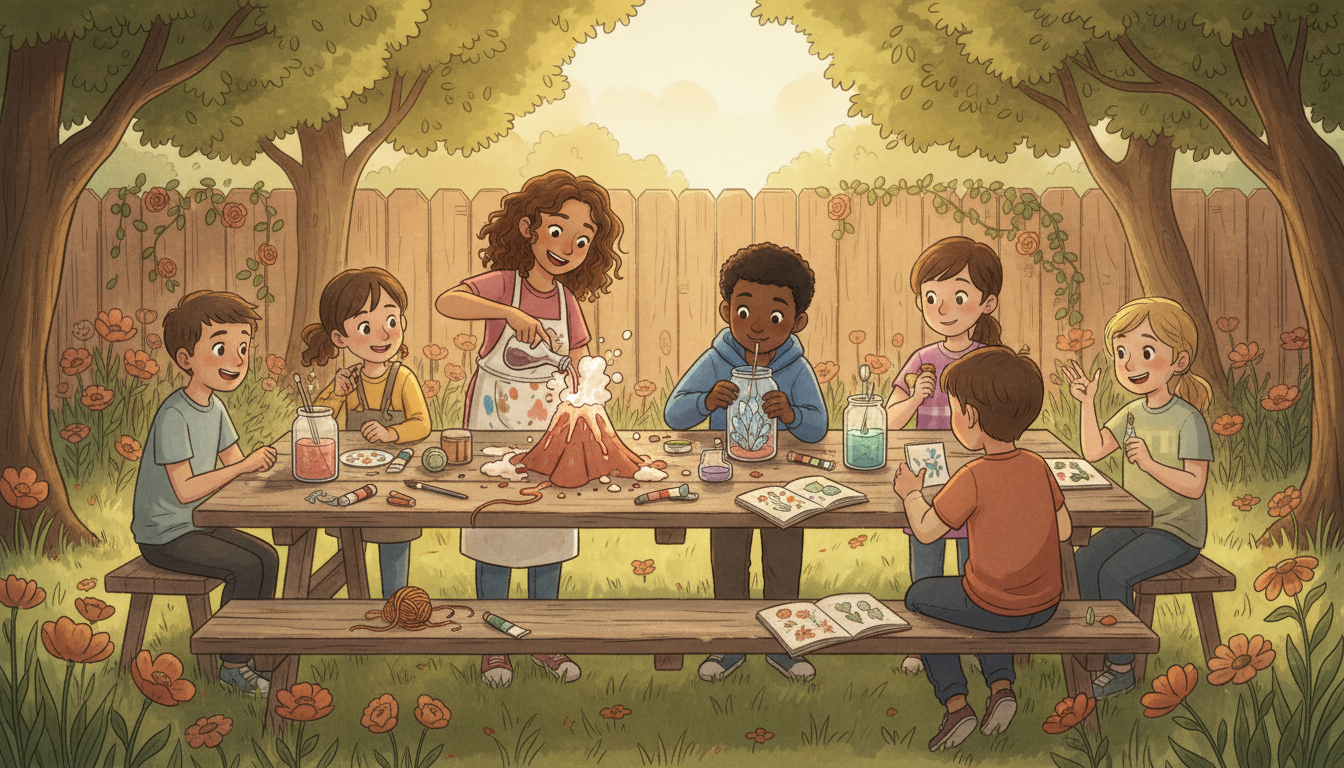
Science projects are a fantastic way to spark a child's curiosity and imagination. Simple experiments like making a homemade volcano can teach kids about chemical reactions. This classic project requires just baking soda, vinegar, and a little creativity. Another intriguing science activity is growing crystals. Using sugar, water, and some patience, your child can observe the process of crystallization firsthand. These projects are adaptable for both home and classroom settings, making them versatile tools for learning.
Art and Craft Projects
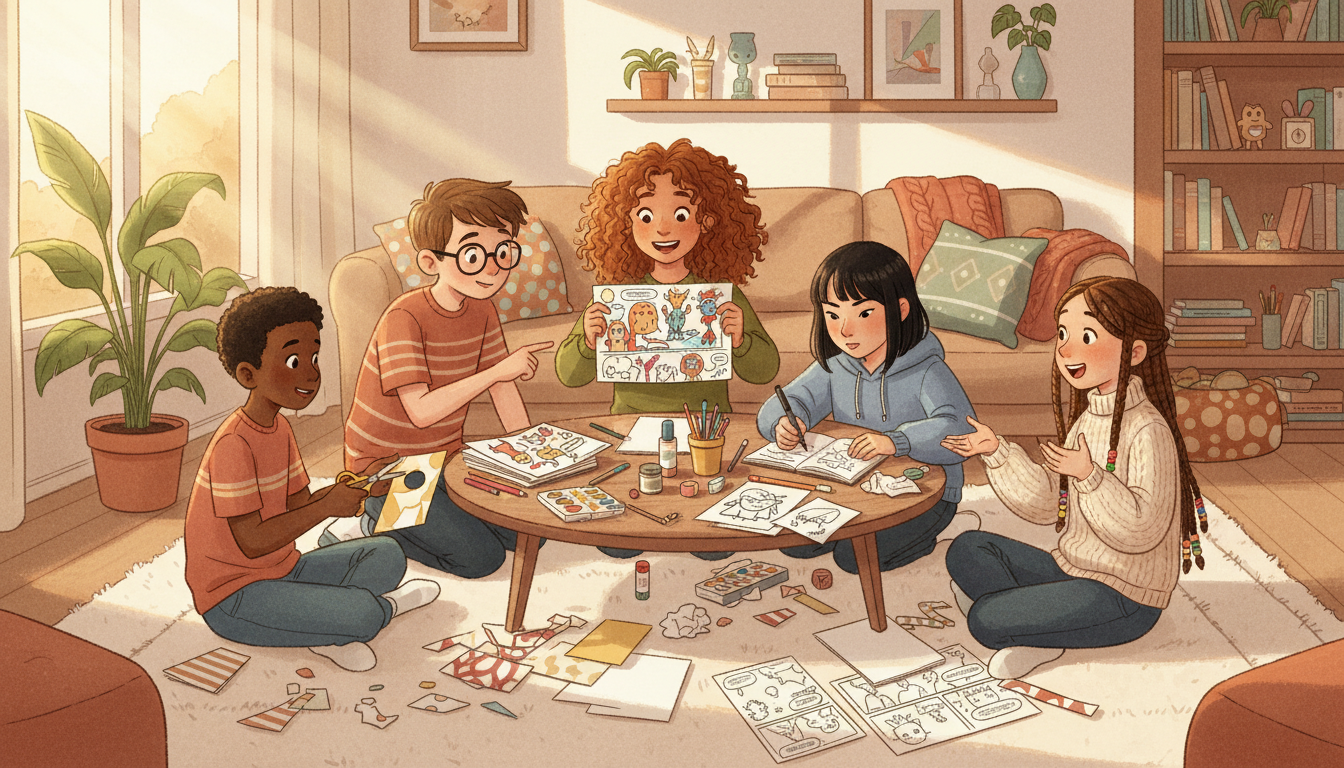
Art and craft projects offer an excellent opportunity for kids to express their creativity while learning about recycling and resourcefulness. Encourage your child to create art using recyclable materials like cardboard, plastic bottles, and paper. Projects such as making a bird feeder or crafting a wind chime from old CDs not only foster creativity but also teach the importance of sustainability. These activities can be done with minimal supervision, allowing kids to experiment and innovate on their own.
How Can I Implement Hands-On Learning at Home?
Implementing hands-on learning at home doesn't have to be complicated. With a little creativity, everyday activities can become educational opportunities.
Utilizing Kitchen Experiments
The kitchen is an excellent place for learning. Cooking can be transformed into a fun math lesson on measurements and fractions. For instance, when baking cookies, have your child measure ingredients and explain the role each one plays in the recipe. You can also explore chemical reactions by making bread and observing how yeast causes dough to rise. These kitchen experiments not only teach science and math but also empower kids with valuable life skills.
Gardening as a Learning Tool
Gardening is a wonderful way to teach kids about biology and responsibility. Start a small home garden and involve your child in planting seeds, watering plants, and observing growth. This ongoing project can help them understand plant biology, the importance of ecosystems, and the cycle of life. Additionally, gardening instills a sense of responsibility and patience as they care for their plants over time.
Why Hands-On Learning Matters for Your Child's Development
Hands-on learning isn't just about keeping kids busy. It plays a critical role in their overall development, influencing cognitive, social, and emotional growth.
Cognitive Benefits
Hands-on activities stimulate brain development by engaging multiple senses. When kids touch, see, and manipulate materials, they reinforce their understanding of concepts, leading to better retention. For example, building a model bridge out of popsicle sticks can deepen their understanding of engineering and physics principles. This type of learning encourages exploration, curiosity, and an intrinsic desire to learn.
Social and Emotional Growth
Group activities in hands-on learning build essential teamwork and communication skills. Projects like collaborative art installations or group science experiments require children to work together, share ideas, and solve problems collectively. These activities help develop empathy, patience, and the ability to compromise—all vital skills for healthy social interaction. Furthermore, successfully completing a project boosts a child's confidence and self-esteem.
Seasonal and Thematic Hands-On Activities
Incorporating seasonal and cultural themes into hands-on activities can make learning even more relevant and exciting for kids.
Winter Wonderland Science
Winter offers a magical backdrop for science exploration. Encourage your child to create paper snowflakes and study their unique patterns, learning about symmetry and geometry in the process. You can also conduct experiments with ice to understand states of matter and temperature effects. These activities tie in seasonally relevant themes, making science feel more connected to their everyday world.
Spring Nature Walks
Spring is a perfect time for nature walks, which are both educational and refreshing. Equip your child with a notebook and magnifying glass, and set out to identify plants and insects during a guided walk. This activity teaches them about biodiversity, ecosystems, and the interdependence of living organisms. Plus, it encourages a lifelong curiosity about the natural world.
Resources for Effective Hands-On Learning
Access to the right resources can make a big difference in implementing hands-on learning successfully.
Downloadable Printables
Providing children with printed worksheets and guides can enhance their learning experience. Look for resources that offer step-by-step instructions for projects, scientific method worksheets, and art activity guides. These printables can serve as valuable tools for both structured and spontaneous learning sessions at home.
Fireside App Features
The Fireside app offers various tools and resources for hands-on learning. It provides a variety of interactive activities designed to engage children in meaningful educational experiences. From science experiments to art projects, Fireside provides everything you need to support your child's learning journey. Consider downloading Fireside to explore its full range of features and integrate technology into your hands-on learning approach.
Conclusion and Further Reading
Incorporating hands-on learning ideas into your child's education can significantly enhance their development. By engaging in interactive activities, children develop essential cognitive, social, and emotional skills. Explore more resources and ideas by downloading the Fireside app, where a world of educational opportunities awaits.
With hands-on learning, you're not just teaching your child to memorize facts; you're fostering a lifelong love of learning. Keep exploring and experimenting, and watch your child's curiosity and skills blossom!