Helping your child develop skills in emotional regulation is one of the greatest gifts you can give them. These skills lay the foundation for resilience, emotional intelligence, and overall well-being. Emotional regulation activities for children, particularly those aged 8-12, can be a game-changer in equipping them to handle life's challenges with confidence and poise. Let's delve into how you can support your child in learning these essential skills. (For additional insights and support, consider exploring resources like Fireside.)
What Are Emotional Regulation Activities?
Emotional regulation refers to the ability to manage and respond to your emotions in a healthy way. For children, learning emotional regulation is crucial as it affects how they interact with the world around them. By teaching children emotional regulation, you're not just helping them in the moment but also setting them up for future success.
So, what do emotional regulation activities look like? They encompass a variety of tasks designed to help children understand and process their emotions. These activities range from mindfulness exercises to creative arts and role-playing, all aimed at giving children tools to manage their feelings effectively.
Why Is Emotional Regulation Important for Children?
Emotional regulation is considered an important aspect of healthy child development. It influences how children perform academically, get along with peers, and handle stress. When children learn to regulate their emotions, they are believed to be more likely to excel in school and cultivate strong, lasting friendships.
Moreover, these skills are believed to have long-term benefits. Children with strong emotional regulation skills are thought to be less prone to anxiety and depression as adults. They are better equipped to navigate life's ups and downs and maintain positive mental health. Teaching emotional regulation is a proactive step parents can take to support their child's overall well-being and future success.
Effective Emotional Regulation Activities for Ages 8-12
Tailoring emotional regulation activities to children ages 8-12 can make a significant difference in their effectiveness. This age group can engage more deeply with activities that challenge them to think critically about their emotions and responses. Let's explore some specific activities:
Mindfulness Exercises
Mindfulness is a powerful tool for emotional regulation. Simple practices like deep breathing can help children calm their minds and bodies when they are feeling overwhelmed. Introduce exercises such as "balloon breathing" where your child imagines inflating a balloon with slow, deep breaths, then gently releasing the air.
Incorporate activities from our article on mindfulness exercises for additional ideas. Guided mindfulness sessions can help children focus on the present, reducing anxiety and enhancing emotional clarity.
Creative Arts
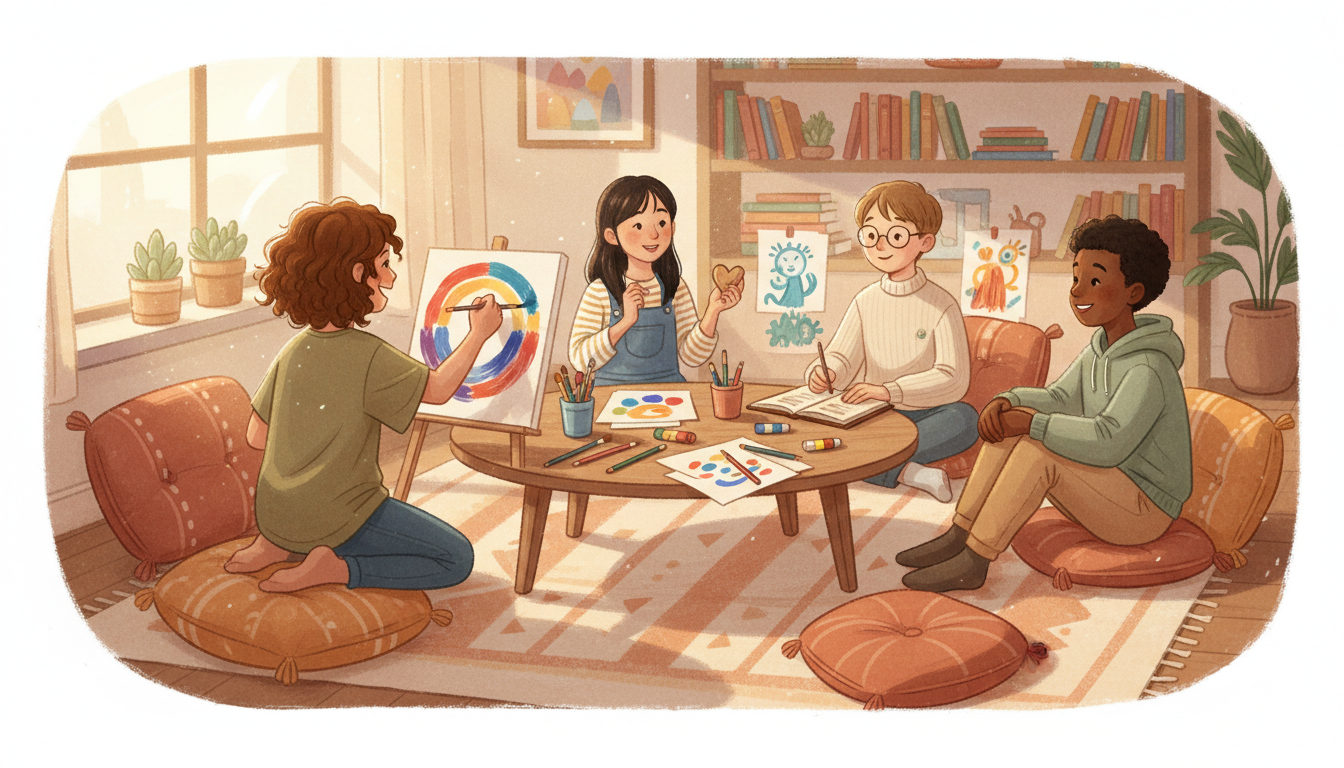
Creative expression through art and music offers children a safe outlet for their emotions. Encourage your child to paint a picture of how they're feeling, or create a playlist of songs that resonate with their mood. These activities not only allow expression but also help children gain insight into their emotional state.
Related content on making learning fun can provide ideas on integrating arts into everyday activities, turning emotional exploration into an enjoyable experience.
Role-Playing Scenarios
Role-playing is an effective way for children to learn empathy and perspective-taking. Create simple scenarios where your child acts out situations such as resolving a conflict with a friend or dealing with disappointment.
This technique helps children understand different perspectives and develop coping strategies. It's a practical way to teach empathy, fostering a deeper understanding of emotions and how to manage them. You can find more strategies in our content on teaching empathy to kids.
Incorporating Technology: Apps and Online Resources
In today's digital age, technology can be a valuable ally in teaching emotional regulation. Educational apps are designed to support emotional learning through interactive activities and guided exercises.
Recommended Apps
Several apps can assist your child in building emotional regulation skills. Consider exploring apps like Fireside that offer activities designed to support your child's emotional development. While incorporating technology, it's important to maintain healthy screen time habits. Our article on screen time provides tips to ensure technology remains a positive tool in your child's development.
Cultural Perspectives on Emotional Regulation
Every child's experience of emotions is influenced by their cultural background. Understanding and respecting these differences is vital when teaching emotional regulation. Activities should be adapted to accommodate diverse cultural needs, ensuring all children feel seen and respected.
For instance, incorporating cultural storytelling or traditional music can enhance engagement and relevance. By acknowledging cultural influences, you help children connect with their emotions in a way that resonates personally with them.
Real-Life Success Stories
Hearing from other parents can be reassuring and inspiring. Many families have successfully integrated emotional regulation activities into their routines, noticing significant improvements in their children's behavior and emotional responses.
While specific anecdotes require verification, general feedback suggests that mindfulness exercises and role-playing scenarios can positively impact children's emotional management and empathy skills. These real-life examples illustrate the transformative potential of emotional regulation activities.
Conclusion and Next Steps
Incorporating emotional regulation activities into your child's routine doesn't have to be overwhelming. Start small, perhaps with a simple mindfulness practice or a creative art project, to gradually build these skills. The key is consistency and patience.
As you embark on this journey, remember that every step you take to support your child's emotional growth is a step toward a brighter, more emotionally intelligent future. Let's nurture these skills together, ensuring our children are equipped to face the world with courage and understanding.