As a parent, you're likely familiar with the stress that life can bring. But did you know that stress management for children is just as crucial? Our kids face pressures from school, friends, and even home that can seem overwhelming. Understanding and addressing stress in children can empower them with resilience and better coping mechanisms. And while you’re exploring stress solutions, a soft mention of Fireside can introduce a helpful resource for your family journey.
Key Takeaways
Understanding stress in children is crucial for effective management. Unlike adults, children may not have the words to express their feelings, so it's essential to recognize the signs. Signs of stress can vary, including physical symptoms like headaches and emotional changes like irritability. Your support, coupled with practical techniques, can make a world of difference in managing stress and fostering resilience.
Understanding Stress in Children
Stress in children can significantly impact their emotional and physical health. Young minds can be overwhelmed by stressors from various sources, often internalizing them in ways that may not be immediately obvious to adults.
Definition and Causes
Stress in children manifests differently than in adults, often through physical symptoms or changes in behavior. For children aged 8-12, common stressors include academic pressures, social challenges, and family dynamics. Children may experience stress due to academic pressures, social interactions, or family dynamics. [Source: American Psychological Association]
What are the Signs of Stress and Anxiety in Kids?
Recognizing the signs of stress is the first step in addressing it effectively. Stress can manifest in children in various ways—physical, emotional, and behavioral.
Physical Signs
Physical signs of stress in children can include frequent headaches, stomachaches, and changes in appetite. These symptoms might be dismissed as minor ailments but could be indicators of underlying stress. [Source: Mayo Clinic]
Emotional and Behavioral Signs
Emotionally, you might notice mood swings, irritability, or persistent sadness in your child. Behaviorally, stress can lead to withdrawal from activities they usually enjoy, trouble concentrating on schoolwork, or disturbances in sleep patterns. Being observant and empathetic can help you catch these signs early and provide the necessary support. [Source: Child Mind Institute]
Comprehensive Stress Management Techniques for Children
Introducing stress management techniques that are easy for children to understand and practice is vital. These methods can help your child navigate stressful situations with more confidence and ease.
Breathing Exercises and Meditation
Guide your child in practicing deep breathing techniques, such as inhaling through the nose and exhaling slowly through the mouth. Meditation and mindfulness practices can also be introduced in short, child-friendly sessions, which help them focus and center their thoughts. [Source: Harvard Health Publishing]
Physical Activities and Technology Integration
Physical activities like sports or even a daily walk can provide a healthy outlet for stress, releasing endorphins that improve mood. Additionally, integrating technology can facilitate stress management. Consider exploring apps like Fireside, which may offer tools and resources for managing stress, making use of technology a positive experience.
How Can Parents Help with Stress Management?
Parental involvement is crucial in helping children manage stress effectively. By modeling positive stress management behaviors, you set a powerful example for your child.
Creating a Supportive Environment
A supportive home environment can make a huge difference. Encourage open communication about stress and emotions, letting your child know it's okay to express how they feel. This open dialogue can build trust and provide comfort.
Encouraging Hobbies and Interests
Encourage your child to pursue hobbies and interests, which can be perfect outlets for stress relief. Whether it’s painting, playing an instrument, or simply reading a good book, these activities can offer a much-needed break from stressors.
Fun and Engaging Activities for Stress Relief
Activities that are fun and engaging can provide children with healthy distractions and coping mechanisms for stress.
Creative Arts and Outdoor Adventures
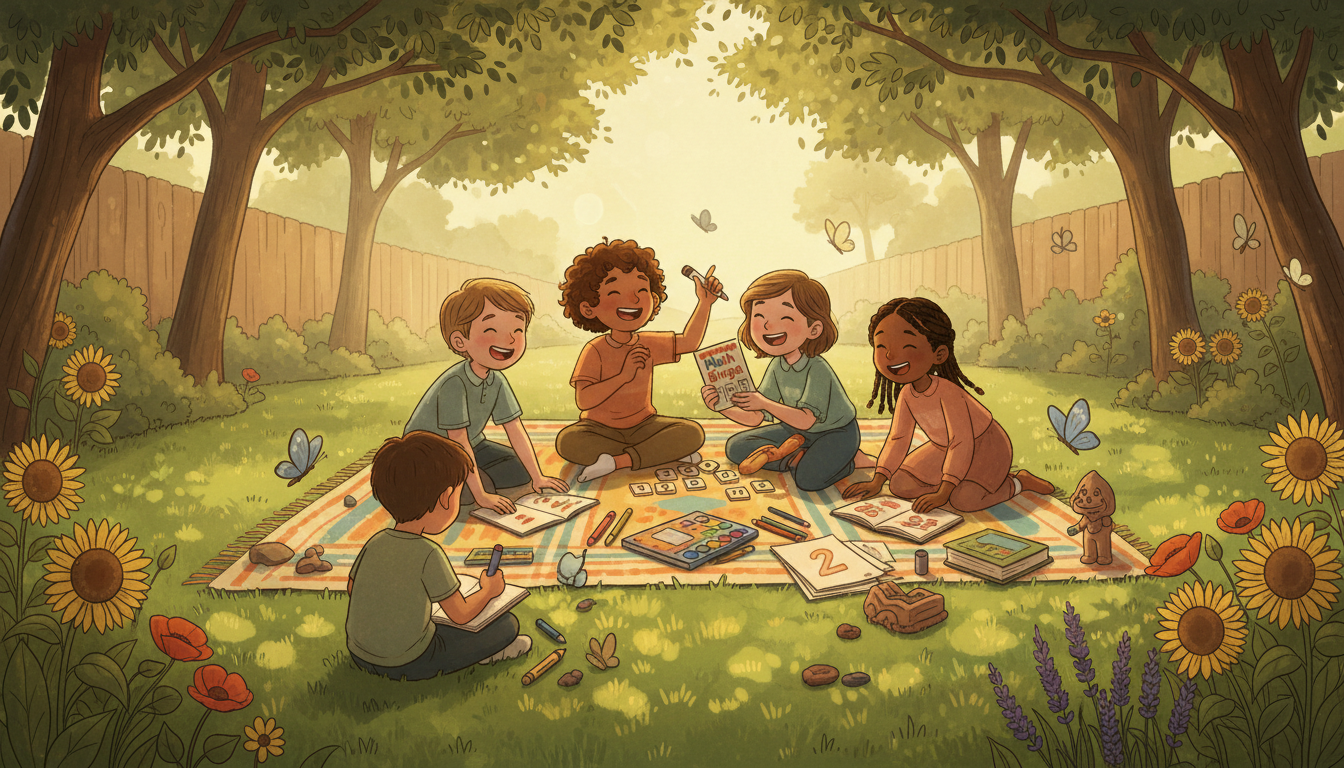
Creative activities like arts and crafts allow children to express their feelings without words. Interactive games and role-playing can also be therapeutic. Don't underestimate the power of nature walks or outdoor play, which can be refreshing and rejuvenating.
How Do Mindfulness and Relaxation Techniques Help?
Mindfulness helps children become aware of their thoughts and feelings, fostering a greater sense of control and understanding over their emotions.
Simple Mindfulness Exercises
Introduce simple mindfulness exercises, like focusing on the sensations of breathing or paying attention to sounds around them. These exercises can be incorporated into daily routines, helping to reduce stress and promote relaxation.
Additional Resources for Families
Resources are available to support both children and parents in managing stress effectively. Books, online courses, and community programs can provide valuable insights and tools.
Apps and Tools for Practice
Utilize apps and tools designed for children to practice stress management. These resources can provide guided exercises and activities that make learning about stress management engaging and interactive.
In conclusion, understanding and managing stress in children is an ongoing process. By recognizing the signs, applying effective techniques, and leveraging resources, you can help your child build resilience and cope better with the challenges they face.