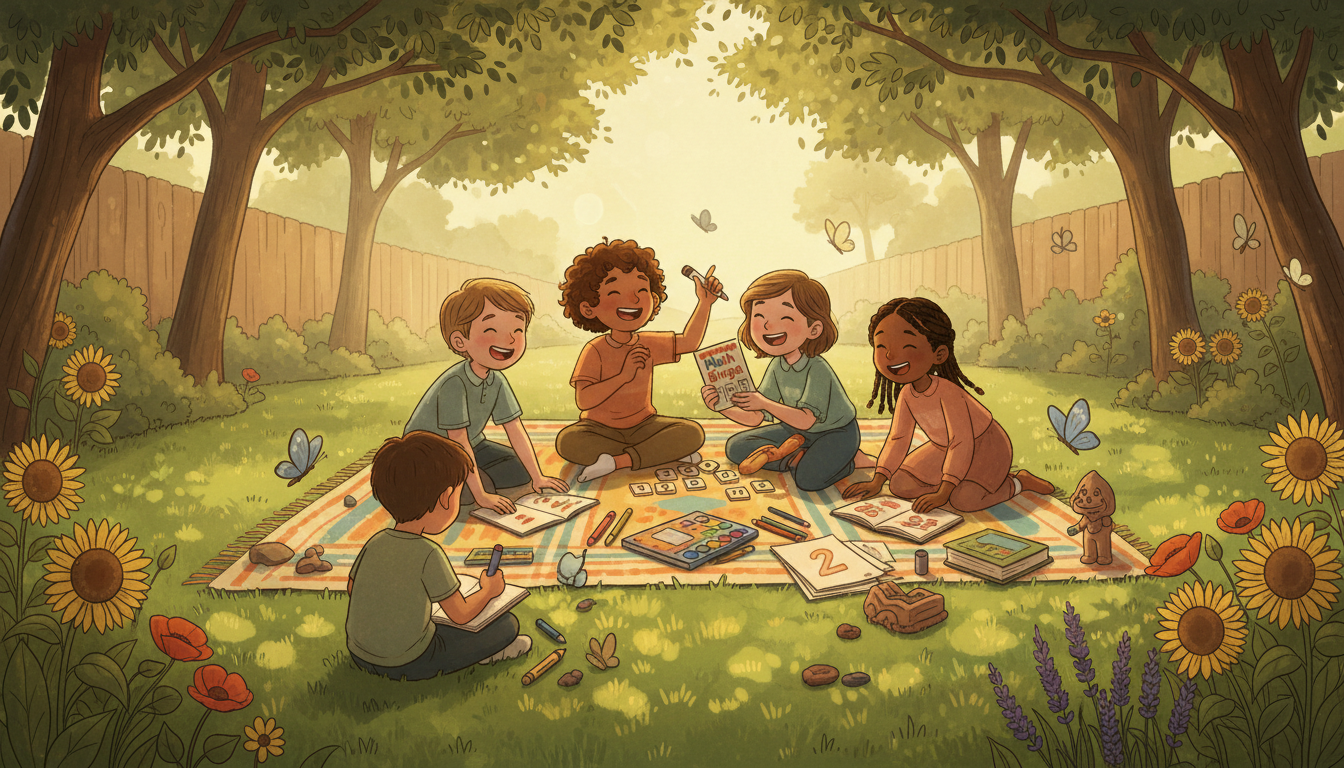
Understanding emotions, thoughts, and actions is a powerful skill for children. Self-awareness activities for kids aged 8-12 help develop emotional intelligence and resilience. These activities help children develop important skills and prepare them to face life's challenges with confidence. Ready to explore how you can nurture this essential skill in your child? Let's dive in!
Want more parenting insights? Discover the Fireside app, a helpful companion on your parenting journey.
What Are Self Awareness Activities for Kids?
Self-awareness activities for kids are exercises designed to help children become more aware of their inner world. By engaging in these activities, children learn to recognize and articulate their emotions, understand their thoughts, and see how their actions affect themselves and others.
These activities support the development of emotional intelligence, a critical factor in personal and social success. Emotional intelligence helps children navigate social interactions, build empathy, and develop resilience in the face of challenges. By fostering self-awareness early, you're equipping your child with the tools to thrive both now and in the future.
Why Is Self Awareness Important in Childhood?
Self-awareness in childhood plays a pivotal role in fostering emotional intelligence and empathy. When children understand their own emotions, they're better equipped to empathize with others, a skill that enhances their social relationships. This emotional insight also boosts their problem-solving abilities, making it easier for them to tackle academic and personal challenges.
Moreover, self-awareness is a stepping stone for personal growth. It encourages children to reflect on their experiences, learn from them, and make informed decisions. As they grow, this foundation prepares them for complex social interactions and the rigors of academic life, setting them up for success in the future.
Top Self Awareness Activities for Children Aged 8-12
Selecting the right self-awareness activities for kids is crucial. Activities should be age-appropriate, engaging, and varied, incorporating creativity, reflection, and interaction. Here are some top picks:
Journaling for Self Reflection
Encourage your child to keep a daily journal. This simple yet powerful tool allows kids to express their thoughts and feelings on paper, promoting self-reflection. You can suggest prompts like "What made you happy today?" or "What was challenging?" to help them start.
While journaling is widely believed to help with emotional processing, specific outcomes can vary among children. Over time, they'll develop a habit of reflection, which is invaluable for their emotional development.
Role-Playing and Storytelling
Role-playing and storytelling are excellent ways to help children explore different perspectives and emotions. Create scenarios where your child can act out various roles, such as a teacher, a friend, or even a superhero. This activity encourages empathy as they put themselves in others' shoes.
Storytelling, on the other hand, allows kids to weave narratives that explore emotions and outcomes. Ask them to create stories around themes like kindness or bravery, discussing the emotions and decisions involved.
Mindfulness and Meditation
Introduce simple mindfulness exercises to help kids center their thoughts. Start with short meditation sessions, guiding them through deep breathing or visualization exercises. For instance, ask them to imagine their favorite place and describe it in detail.
Mindfulness activities teach children to focus on the present moment, reducing stress and enhancing their emotional regulation. As they practice, they'll become more attuned to their internal states, fostering self-awareness.
How Can Parents Implement These Activities at Home?
Integrating self-awareness activities into daily routines ensures consistency and growth. Set aside a specific time each day for these exercises, making them a regular part of your child's routine. This might mean a few minutes of journaling before bed or a weekend role-playing session.
Resources like the Fireside app can guide you in implementing these activities effectively. The app offers structured activities and tips to keep your child engaged. Additionally, fostering a supportive environment where open discussions about feelings are encouraged will make a significant impact.
What Materials Do I Need for Self Awareness Activities?
Getting started with self-awareness activities doesn't require much. Basic supplies like journals and art materials are essential. These items give children the tools to express themselves creatively and reflectively.
You can also enhance engagement by using printable worksheets designed for self-reflection and mindfulness. Additionally, mindfulness apps can be a great resource, offering guided meditations and exercises specifically for kids.
Resources for Parents and Educators
Harness the power of online platforms like Fireside for structured guidance on self-awareness activities. These platforms offer a wealth of resources, from activity guides to expert tips, all designed to support your parenting journey.
Printable resources and worksheets available through educational websites can also be invaluable. They provide ready-to-use tools that make integrating these activities into daily life seamless and effective.
Encouraging Discussion About Feelings
Open dialogues about feelings are crucial for developing emotional intelligence in children. A feelings chart can be a practical tool. It helps children identify and articulate their emotions, providing a visual reference that makes learning about emotions tangible.
These discussions strengthen family bonds and promote a culture of understanding and empathy at home. Regularly talking about emotions encourages your child to share their experiences, fostering an environment of trust and support.
Key Takeaways
Self-awareness activities for kids are vital for emotional and social development. They help children understand themselves better, paving the way for empathy, resilience, and personal growth. As a parent, you play a crucial role in facilitating these activities at home, shaping your child's ability to navigate the world with confidence.
Ready to empower your child with the gift of self-awareness? Discover the Fireside app today for more tips and resources to support your child's journey.
FAQ
How can I teach self-awareness to my child?
Use engaging activities like journaling, role-playing, and mindfulness exercises to help children understand their emotions and actions.
What are the benefits of self-awareness in children?
It enhances emotional intelligence, empathy, problem-solving skills, and prepares children for social and academic challenges.
Are there self-awareness activities for teenagers?
Yes, activities can be adapted for teenagers, focusing on deeper self-reflection and independent emotional management.
What materials do I need for self-awareness activities?
Basic materials include journals, art supplies, and access to mindfulness apps or printable worksheets.
How do you encourage self-reflection in kids?
Encourage journaling, open discussions about feelings, and use role-playing to explore different perspectives.