Discover how to unlock the magic of learning with creative activities designed for kids aged 8-12. These creative learning activities can significantly contribute to child development, boost problem-solving skills, and nurture resilience. You'll find ideas that are not only fun but educational, using things you likely already have at home. Short on time? Explore more tips and activities on Fireside, where you can discover engaging learning resources.
Key Takeaways
Creative learning activities can significantly contribute to child development. They enhance cognitive abilities and emotional intelligence while promoting problem-solving skills and critical thinking. You don't need expensive supplies; many activities can be conducted with everyday materials. Plus, incorporating technology can add a layer of excitement, making learning both fun and engaging.
What Are Creative Learning Activities?
Creative learning activities are designed to blend fun with elements of education, fostering creativity in children. These activities often include art, music, storytelling, and even digital platforms to engage different learning styles. Encouraging creativity in kids isn't just about having fun—it's about helping them develop critical thinking skills and imaginative capabilities.
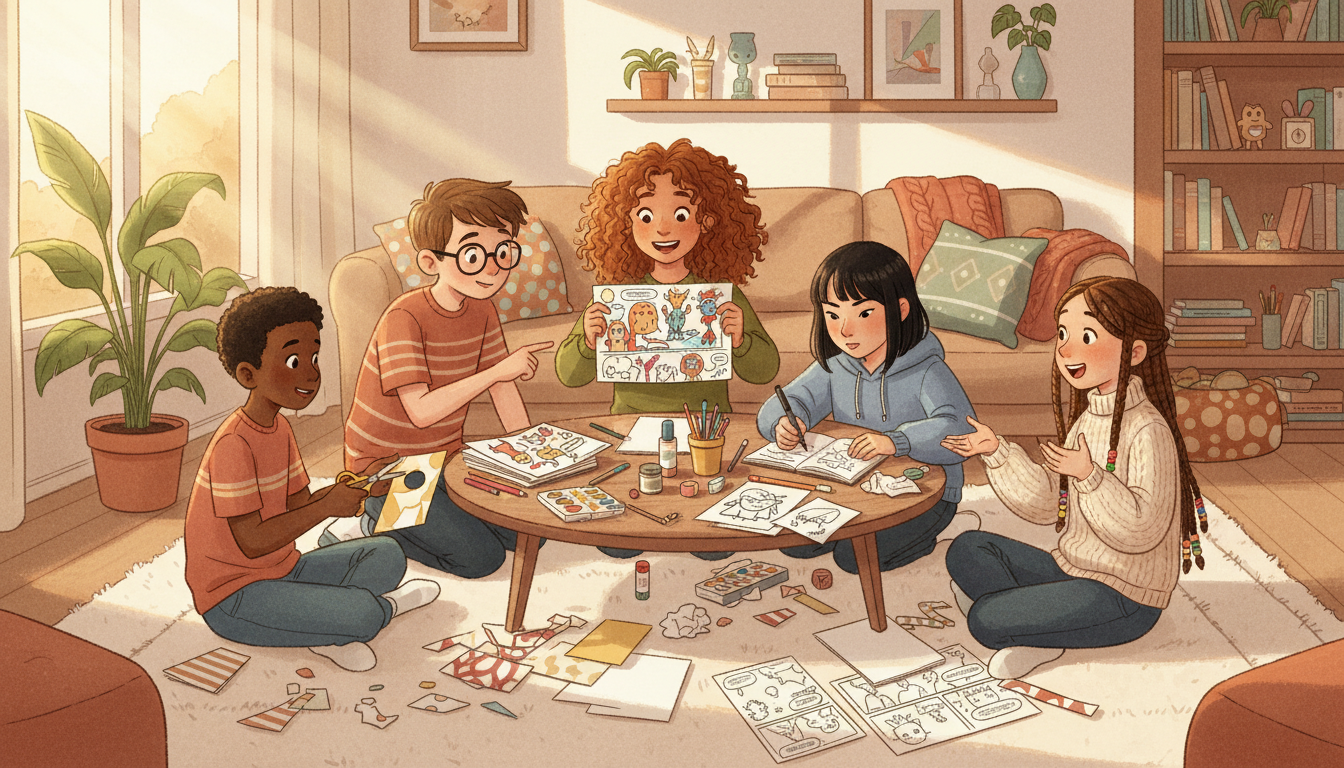
Imagine a simple art project where kids create their own comic strips. They not only practice drawing but also work on storytelling and sequencing. Or consider a music activity where they compose a song using homemade instruments. These activities are enjoyable yet educational, offering a dual benefit.
How Do Creative Activities Help with Learning?
Creativity is a cornerstone of cognitive and emotional development. When kids engage in creative learning activities, they may help in developing neural pathways that enhance both intellectual and emotional capacities. Creative tasks stimulate problem-solving skills and encourage critical thinking. For example, when children experiment with different materials to build a structure, they learn about balance and physics while honing their problem-solving abilities.
Moreover, these activities play a crucial role in enhancing resilience and character. Creative challenges can help teach kids to embrace mistakes as part of the learning process, potentially building resilience. As they express themselves through various mediums, they gain confidence and a sense of accomplishment.
Diverse Creative Learning Activities for Kids
Incorporate a world of creativity into your child's routine with these diverse activities:
Art Projects: Use recycled materials to create sculptures or paintings. This not only fosters creativity but also teaches resourcefulness.
Music and Dance: Create a music video or a dance routine. Kids can use apps to edit videos, combining technology and creativity.
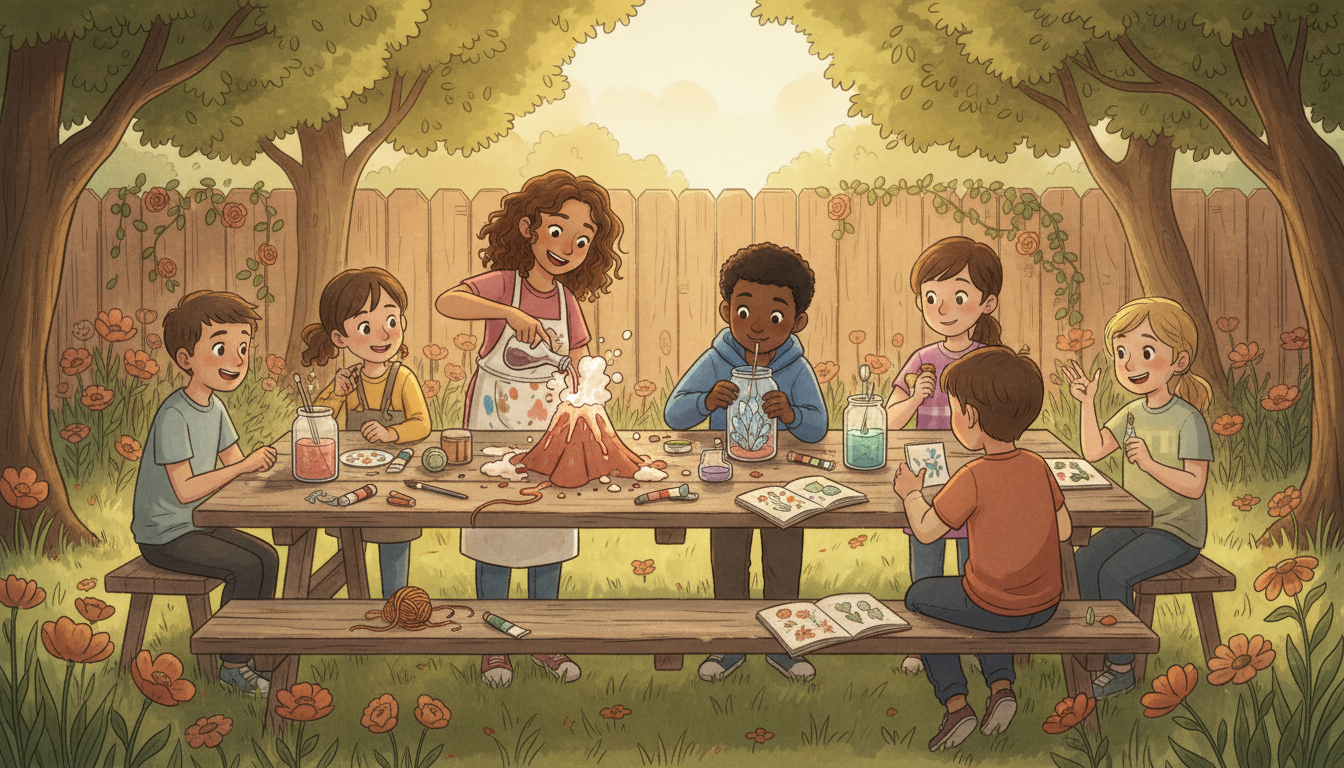
Science Experiments: Conduct simple at-home experiments like baking soda volcanoes or growing crystals. These activities are both educational and exciting.
Outdoor Exploration: Organize a nature scavenger hunt where kids create art from their finds. It promotes observation skills and environmental awareness.
Cultural and Seasonal Themes: Celebrate different cultures through crafts or cooking. For instance, making Japanese origami or baking traditional holiday cookies can be a fun learning experience.
Using these creative activities, kids can explore new worlds and concepts without leaving home. For more ideas and step-by-step guides, check out Fireside, where learning meets creativity every day.
Creative Activities for Special Needs Children
For children with special needs, creative learning activities can be adapted to ensure inclusivity. Adjusting the sensory input or simplifying tasks can make a significant difference. For instance, sensory bins with varied textures can be both soothing and stimulating, while simple art projects can be adapted for different abilities.
Inclusivity in creative learning helps all children feel valued and capable. Success stories from parents highlight how personalized activities can lead to unexpected breakthroughs in communication and social skills.
What Materials Do I Need for Creative Learning Activities?
You don't need a vast collection of materials to foster creativity. Start with cost-effective supplies like crayons, markers, paper, and glue. Everyday items such as cardboard boxes, bottle caps, and fabric scraps can be repurposed into art projects.
Additionally, technology can be a valuable tool. Tablets and computers can host a variety of apps and online resources that facilitate interactive learning. Printable materials are also readily available to download and provide structured activities without the need for costly materials.
Tips for Parents to Facilitate Creative Learning
Creating an environment that nurtures creativity is key. Designate a specific area for creative activities, stocked with diverse materials that are easily accessible. Encourage a balance between screen time and hands-on activities to promote a well-rounded development.
Fostering a growth mindset is essential. Encourage your child to view challenges as opportunities for growth, rather than obstacles. Celebrate their efforts and resilience, reinforcing the idea that creativity is about the process, not just the end result.
For more personalized tips and resources, consider exploring Fireside, where parenting and learning experts provide guidance tailored to you and your child.
Conclusion and Resources
Creative learning activities offer endless opportunities for your child to grow, learn, and have fun. By incorporating these activities into your daily routine, you can support your child's development in a meaningful way. Remember, the goal is to make learning an enjoyable journey filled with curiosity and exploration.
To continue this journey, download the Fireside app today. You'll find a plethora of resources and activities to spark your child's interest and creativity, making learning an adventure they look forward to.
FAQs
What are some examples of creative learning activities?
Examples include art projects, science experiments, and interactive storytelling.
How can I encourage creativity in my child?
Provide diverse materials, encourage free play, and model creative thinking.
What age are creative learning activities best for?
While they can benefit all ages, activities can be tailored for children 8-12 years old.
What materials do I need for creative learning activities?
Basic art supplies, recycled materials, and technology such as tablets or computers.
Are there creative learning activities for special needs children?
Yes, many activities can be adapted to meet the needs of children with special requirements.