Teaching kids to manage anger is an important aspect of their emotional development. As a parent, you know that anger in children is not just inevitable—it's a normal, natural emotion that all of us experience. Fortunately, there are effective strategies you can use to help your child handle these intense feelings calmly and constructively. In this guide, we'll explore key techniques and activities that empower children to manage anger effectively. Ready to dive in? Let's get started! For more tips and strategies, check out Fireside's parenting resource library.
Key Takeaways
- Understanding the root causes of anger in kids is crucial.
- Implement effective techniques for anger management.
- Employ parental strategies to support children through their emotional journey.
What Are the Best Ways to Teach Kids to Manage Anger?
Identifying Triggers
One of the first steps in teaching kids to manage anger is helping them recognize what sets them off. Identifying triggers such as specific situations, people, or even times of day can make a big difference. Keep a journal with your child to track these patterns, and use it to plan strategies together for future similar situations. Understanding these triggers can prevent outbursts before they happen.
Modeling Calm Behavior
Your child learns a lot by watching you. When you're faced with a frustrating situation, demonstrate how to handle it calmly. For example, if you’re stuck in traffic, instead of letting frustration take over, verbalize your process: “I’m feeling a bit frustrated, so I’ll take a deep breath and listen to some calming music.” Modeling calm behavior not only shows your child how to react but also normalizes the experience of managing emotions.
Understanding Your Child's Anger
Is It Normal for Children to Get Angry?
Absolutely, anger is a natural part of emotional development. Kids, like adults, often experience anger as a response to unmet needs or perceived threats. Teaching kids that feeling angry is okay, but acting out in harmful ways is not, is crucial. This understanding fosters emotional regulation for kids and encourages healthier expression of their feelings.
Signs Your Child May Struggle with Anger
Look out for signs that your child might be struggling with anger management. Frequent temper tantrums, difficulty calming down, or aggressive behavior towards others can indicate underlying issues. Additionally, if your child frequently expresses anger in inappropriate ways, it may be time to address these behaviors with targeted strategies.
Effective Techniques for Teaching Anger Management
Breathing Exercises
Introduce your child to simple breathing exercises. When they start to feel angry, guide them to take a slow, deep breath in through the nose, hold it for three seconds, and then release it slowly through the mouth. Repeat this process several times until they feel calmer. This technique can help to lower the heart rate and bring a sense of calm.
Using 'I' Statements
Encourage your child to use ‘I’ statements to express their emotions. Instead of saying, “You make me so angry,” guide them to say, “I feel upset when my toys are taken without asking.” This small change empowers them to take ownership of their feelings without casting blame, which can reduce confrontations.
What Activities Help Kids Manage Anger?
Physical Activities
Physical activities are a fantastic way to help kids release pent-up energy and frustration. Encourage your child to engage in sports, go for a run, or even have a dance party at home. These activities can help transform anger into positive energy and offer a constructive outlet for their emotions.
Creative Outlets
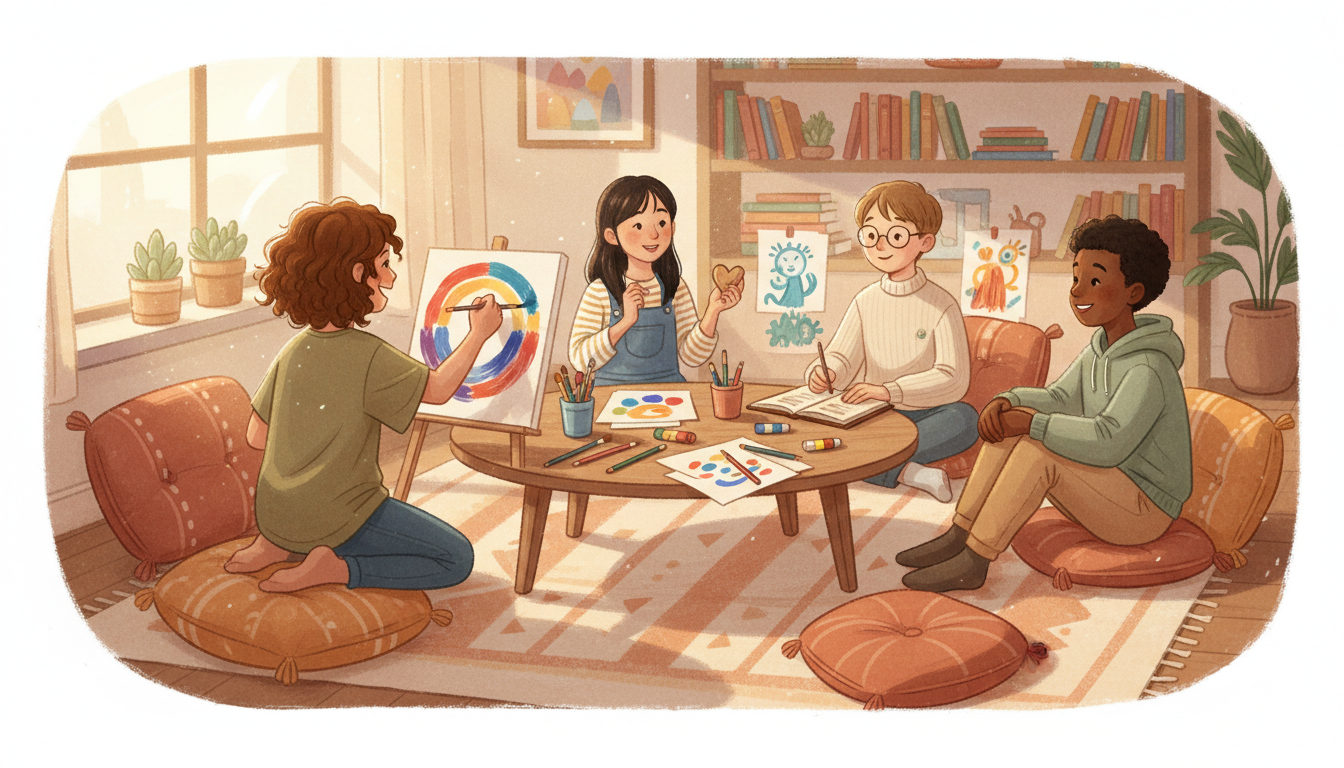
Creative outlets such as drawing, painting, or playing music can also be effective for managing anger. These activities allow children to express themselves in a non-verbal way. Set up a creativity corner in your home where your child can retreat to create art or play an instrument when they start to feel their emotions rising.
Parental Strategies for Supporting Children
Setting Boundaries
Establishing clear boundaries is vital when teaching kids to manage anger. Discuss the rules and consequences calmly and consistently. For instance, you might say, “It’s okay to feel angry, but it’s not okay to hit. If you feel like hitting, let’s find another way to express those feelings.”
Consistent Routines
Maintaining a consistent daily routine can provide stability and predictability, potentially helping your child feel more secure. When children know what to expect, it minimizes anxiety and potential triggers for anger. Consistent bedtimes, meal times, and homework sessions can contribute to a sense of control and calm.
When Should I Seek Help for My Child's Anger?
Recognizing When Anger is Beyond Control
Sometimes, anger in children can escalate beyond what you can manage at home. If anger regularly leads to violent behavior or significantly affects your child's daily functioning, it might be time to consider professional help. Frequent school incidents or social isolation can also be red flags.
Consulting with Professionals
If you notice these signs, don't hesitate to seek professional advice. A therapist or counselor who specializes in child psychology can provide valuable insights and strategies. They can help your child work through their frustrations in a safe and supportive environment.
Conclusion and Additional Resources
In conclusion, teaching kids to manage anger involves a combination of understanding, strategies, and support. By identifying triggers, modeling calm behavior, and offering creative outlets, you're equipping your child with essential skills for emotional regulation. Remember, you're not alone in this journey. Ensure that Fireside's resources are verified and relevant to the claims made for more support and guidance.
FAQs
What are some signs of anger issues in kids?
Signs include frequent temper tantrums, frustration, and difficulty controlling emotions.
How can I help my child calm down?
Teach breathing exercises and provide a calm environment for your child to express feelings.
What activities help kids manage anger?
Physical activities and creative outlets like drawing or music can help manage anger.
Is it normal for children to get angry?
Yes, anger is a natural emotion and part of healthy emotional development in children.
When should I seek help for my child's anger?
Seek professional help if anger leads to violent behavior or affects daily functioning.