Teaching kids gratitude is a rewarding journey that can enhance your child’s emotional well-being and foster stronger family bonds. This essential guide will provide you with effective strategies and engaging activities to make gratitude a natural part of your child's life. Not only does gratitude contribute to personal happiness, but it also builds resilience and empathy. Ready to enhance your child’s development today? Let's dive into the guide!
Key Takeaways
- Gratitude enhances emotional well-being in kids.
- Engaging activities can make learning gratitude fun.
- Parents play a crucial role in fostering gratitude.
What Are Some Activities to Teach Gratitude to Children?
Incorporating gratitude into your child’s daily routine can be a simple yet powerful way to instill this essential value. By integrating fun and creative activities, you can turn learning gratitude into an enjoyable experience for the whole family.
Daily Gratitude Rituals
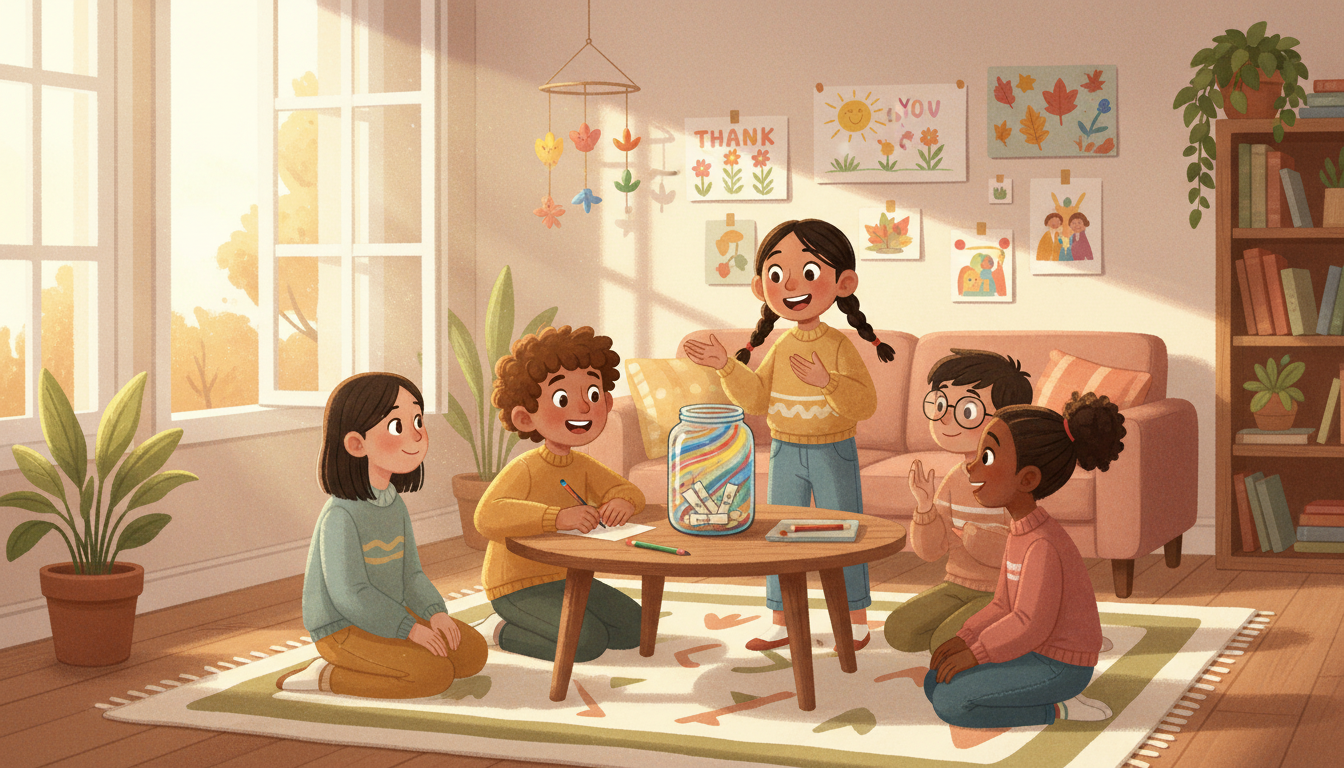
Start with easy, everyday practices like a gratitude jar. Encourage your child to write something they are thankful for each day and place it in the jar. Over time, this ritual will become a cherished habit. Another idea is to write daily thank you notes. Whether it's a quick note to a teacher or a friend, this practice helps kids reflect on what they appreciate in others.
Gratitude Games and Crafts
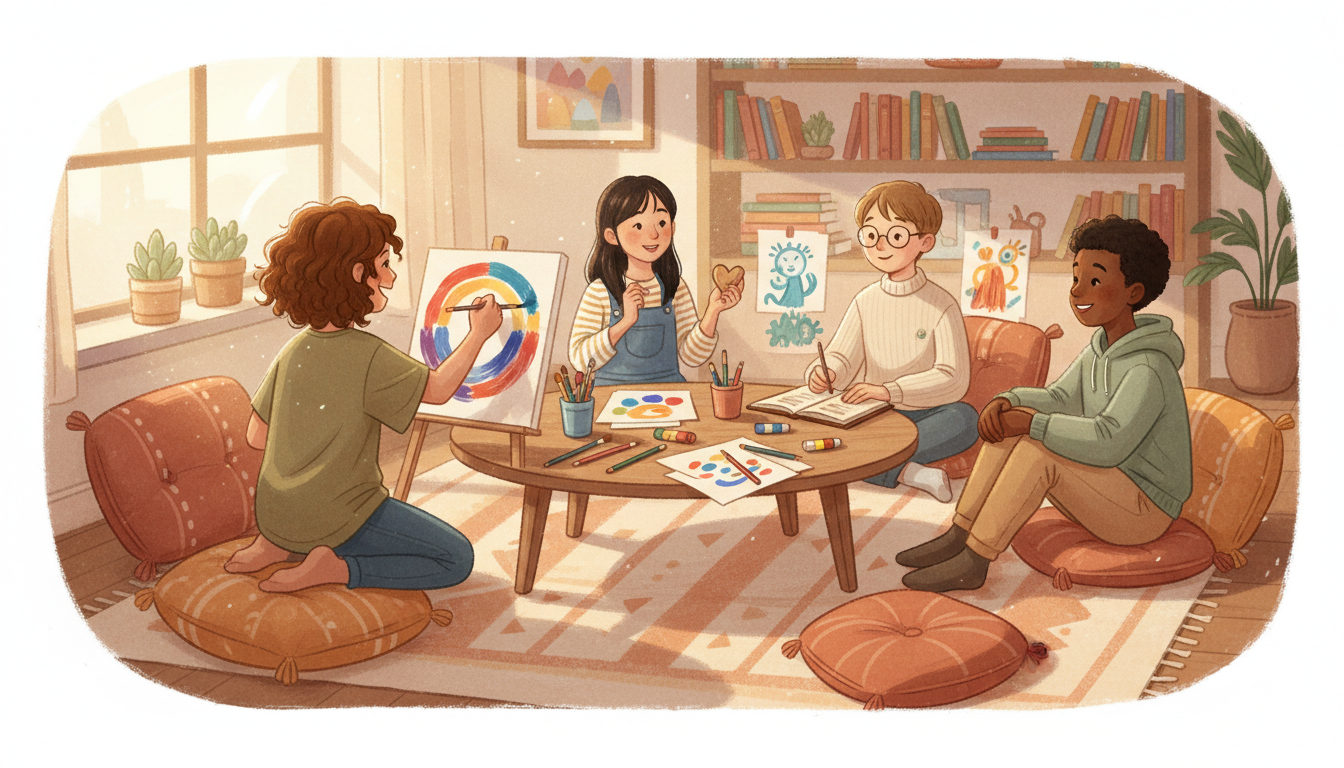
Why not make gratitude a playful adventure? Organize a gratitude scavenger hunt where your child searches for items around the house that represent things they are thankful for. Alternatively, get creative with gratitude art. Encourage your child to draw or craft something that symbolizes gratitude, like a thankfulness tree with leaves representing things they cherish. These activities are not just fun—they instill a deep sense of appreciation.
Why Is Gratitude Important for Kids?
Understanding the importance of gratitude is crucial for both you and your child. Gratitude goes beyond saying "thank you"; it impacts your child’s emotional and social development profoundly.
Impact on Emotional Well-being
Practicing gratitude is associated with improvements in mood and reductions in stress, according to some studies. By focusing on the positive aspects of their life, children learn to manage their emotions better and develop a more optimistic outlook. While gratitude is believed to contribute to emotional resilience, specific claims about its impact require empirical evidence.
Building Stronger Relationships
Gratitude is often considered important for fostering positive relationships. Teaching your child to express gratitude fosters empathy and helps improve their social interactions. When kids understand and appreciate the efforts of others, they build stronger, more meaningful connections.
How Can Parents Encourage a Child to Be More Grateful?
As a parent, you have a pivotal role in nurturing gratitude. By modeling gratitude and using positive reinforcement, you can effectively teach your child this valuable trait.
Setting an Example
Your actions speak louder than words. Express gratitude regularly in your everyday interactions, whether it’s thanking the person who bags your groceries or acknowledging a colleague’s help. When your child sees you practice gratitude, they’re more likely to mimic these behaviors.
Positive Reinforcement Techniques
Encourage your child’s expressions of gratitude through praise and rewards. Simple acknowledgments like, "I love how you thanked your friend for helping you," reinforce their efforts. Occasional rewards, like a gratitude-themed family outing, can further motivate them to practice thankfulness.
Cultural and Global Perspectives on Gratitude
Exploring gratitude from a global perspective can deepen your child’s understanding and appreciation of diverse cultural practices.
Gratitude Practices from Around the World
Introduce your child to gratitude traditions from different cultures. For instance, in Japan, 'gaman' is a cultural concept that involves endurance and patience, which can be related to gratitude. In some African cultures, gratitude may be expressed through communal gatherings and sharing meals. Discussing these practices can broaden your child’s perspective on how gratitude is expressed worldwide.
Incorporating Global Traditions at Home
Bring the world to your living room by incorporating global gratitude traditions into your family’s routine. Try a Japanese-inspired "Thankful Tea Ceremony," where your family shares what they're grateful for over a simple tea. Or, dedicate a night to cook a meal from another culture and discuss the gratitude traditions associated with it. These activities not only teach gratitude but also enhance cultural appreciation.
Conclusion and Next Steps
Teaching kids gratitude is an enriching journey that benefits both your child and your family as a whole. By incorporating the strategies and activities discussed, you can help your child develop a deeper sense of appreciation and empathy.
Developing a Gratitude Plan
Ready to get started? Create a simple gratitude plan for your family. Set aside time each week for a gratitude activity and encourage open discussions about what each family member is thankful for. Consistency is key, and with a little patience, you’ll see gratitude blossom in your child’s life.