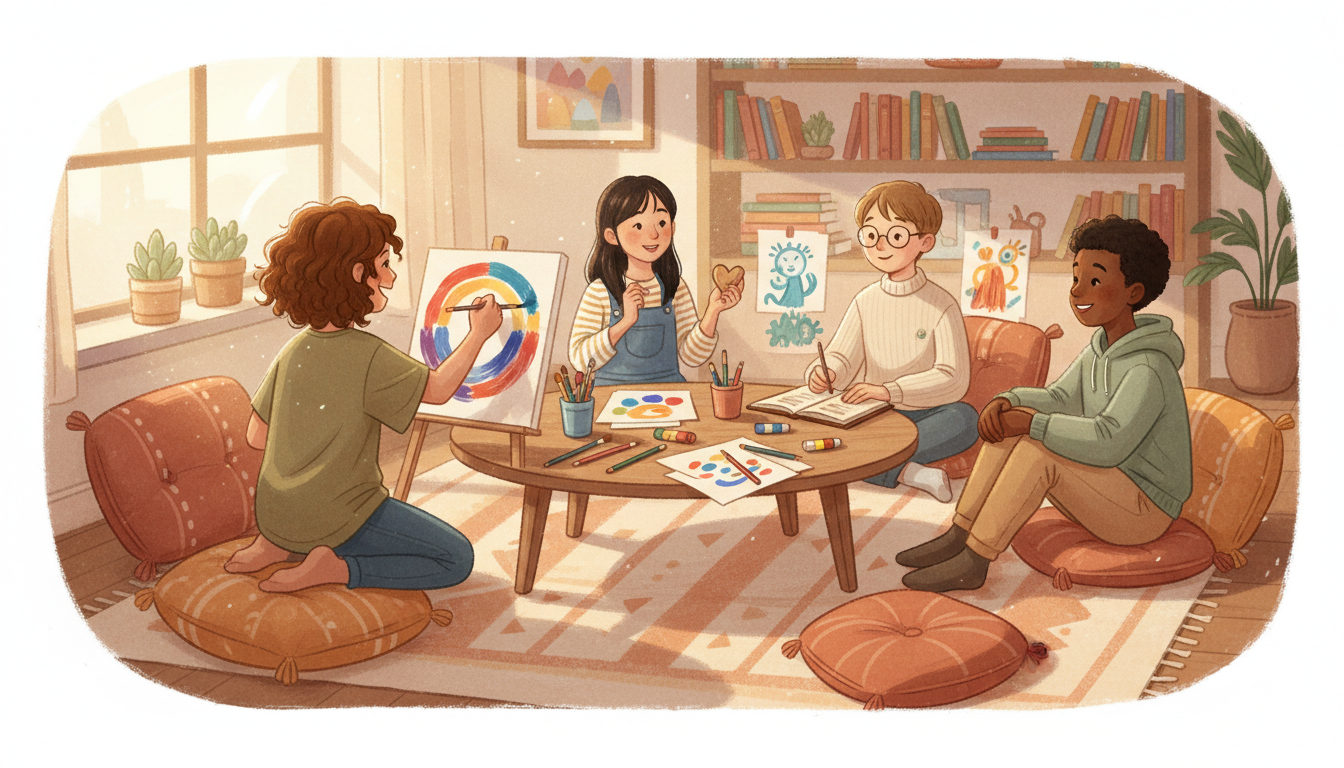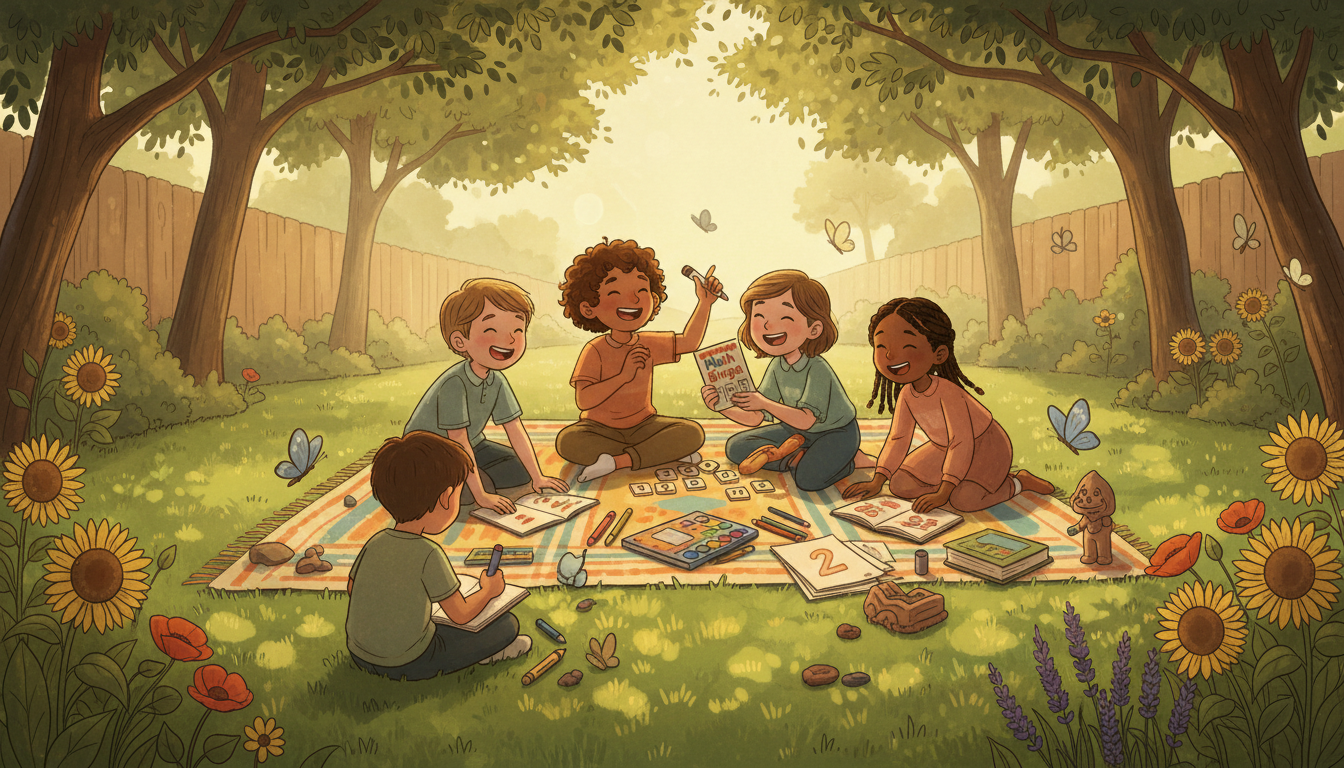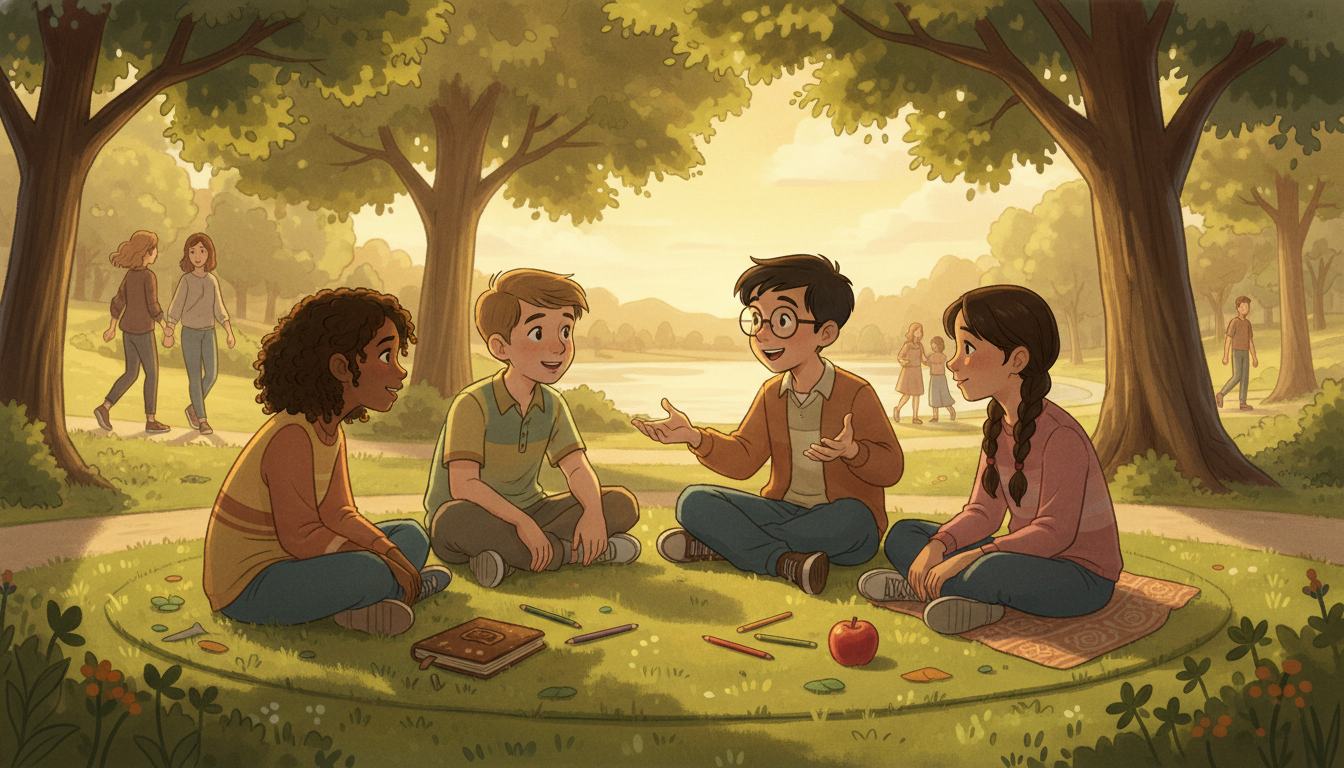
Teaching empathy to kids is not just a nice-to-have; it's essential for their development. Empathy can help children form connections and navigate social interactions. But how do you teach something as nuanced as empathy to kids aged 8-12? Let me guide you through effective strategies that are both engaging and impactful. Plus, explore resources like Fireside, which offer interactive ways to nurture empathy.
Understanding Empathy and Its Importance
Empathy is an important component of emotional intelligence. It's the ability to understand and share the feelings of others, which is crucial in building meaningful relationships. When kids learn empathy, they are better equipped to handle social interactions and conflicts.
Empathy plays a critical role in child development. It enhances social skills, reduces instances of bullying, and promotes emotional well-being. By fostering empathy early on, you set the stage for your child to become a compassionate adult.
Defining Empathy
Simply put, empathy is about putting yourself in someone else's shoes. It's that warm understanding that makes you feel connected to others. For children, learning to see the world from someone else's perspective is fundamental to making friends and resolving conflicts.
Importance in Child Development
Empathy contributes significantly to a child's ability to interact positively with peers. It helps reduce bullying by fostering understanding and compassion. When children develop empathy, they are more likely to enjoy better mental health and emotional resilience.
Engaging Activities to Foster Empathy in Kids
So, how can you actively teach empathy to your child? Interactive activities are your best bet. They make learning fun while imparting crucial social skills.
Role-Playing Exercises
Engage your child in role-playing exercises. These activities help them step into someone else's shoes and see the world through different eyes. For instance, create scenarios where your child has to act as someone who is sad, excited, or nervous. This helps them understand various emotions and reactions.
Empathy Games
Games like "empathy charades" are both fun and educational. In this game, children draw emotion cards and act them out while others guess the emotion. This encourages them to express and recognize emotions, building a foundation of empathy.
What Role Do Parents Play in Teaching Empathy?
As a parent, your influence is profound. You are your child's first role model, and how you express empathy shapes their understanding of it.
Modeling Empathy at Home
Children learn empathy by watching empathetic interactions within the family. Demonstrate empathy in everyday situations, like listening attentively when your child shares their feelings or showing compassion when someone is upset.
Encouraging Open Communication
Foster an environment where open dialogues about emotions are encouraged. Discuss feelings and encourage your child to articulate theirs. This practice helps them understand their own emotions and those of others.
Recommended Resources for Teaching Empathy
Books and apps can be invaluable tools in teaching empathy. They provide structured learning experiences that are both informative and engaging.
Books on Empathy for Kids
Books like The Invisible Boy by Trudy Ludwig and Last Stop on Market Street by Matt de la Peña offer stories that teach empathy through relatable characters and situations. Reading these books together can spark important conversations about feelings and understanding others.
Educational Apps
Consider incorporating technology with apps like Fireside, which offers interactive scenarios to help kids explore empathy. These apps guide children through various emotional landscapes, making empathy a part of their everyday learning.
Ready to explore more empathetic learning tools? Check out Fireside here!
Overcoming Challenges in Teaching Empathy
Teaching empathy isn't always straightforward. Various obstacles can arise, but understanding common challenges can help you address them effectively.
Addressing Cultural Differences
When teaching empathy, it's important to respect and understand cultural differences. Different cultures express and value emotions in unique ways. Encourage your child to appreciate these differences and consider how empathy might look from another cultural perspective.
Handling Resistance
Some children might resist empathy-building activities. They may feel shy or uncertain. To engage them, try linking empathy to their interests—whether it's through stories, games, or activities they already enjoy. Patience and persistence are key.
Success Stories: Empathy in Action
Real-life examples showcase the profound impact of teaching empathy.
Case Study: School Empathy Program
Consider a school that implemented an empathy-focused program. Over time, the school noticed a significant reduction in bullying incidents and improved student interactions. This shows how structured empathy teaching can transform a community.
Parent-Led Empathy Workshops
In one community, a group of parents organized workshops to foster empathy among children. Through activities and discussions, these workshops helped children recognize and express emotions, leading to stronger peer relationships and increased empathy overall.
Conclusion
Empathy is an important aspect of emotional intelligence that can help children in social interactions. As you embark on this journey to teach empathy, remember that the smallest efforts can have the most significant impact.
To further support your efforts, explore resources like Fireside, offering an array of tools to guide your child towards a more empathetic future.
FAQ
How can empathy be taught to preschoolers?
Through simple role-playing games and reading stories that focus on emotions, preschoolers can begin to understand empathy.
What are some empathy-building activities for children?
Activities like role-playing, empathy charades, and reading books about diverse experiences can help build empathy.
Why is empathy important in child development?
Empathy fosters social connections, reduces bullying, and enhances emotional intelligence, which are crucial for healthy development.
At what age should children learn empathy?
Children can start learning empathy in preschool, but more structured activities are effective from ages 8-12.
How can teachers promote empathy in the classroom?
Teachers can promote empathy by incorporating group activities, discussions on emotions, and literature that explores diverse perspectives.