Boost Social Emotional Learning at Home: A Parent's Guide
Discover how to enhance social emotional learning at home for kids aged 8-12 with practical tips and engaging activities. As a parent, you play a crucial role in nurturing your child's emotional intelligence and resilience. Social Emotional Learning (SEL) is an invaluable tool in this journey, helping children develop essential life skills that go beyond academics. Let's dive into how you can support and foster SEL at home.
Consider using tools like Fireside to complement your efforts with structured activities and guidance designed to boost SEL skills.
Key Takeaways
- Understand what Social Emotional Learning (SEL) is.
- Learn key benefits of SEL for children aged 8-12.
- Discover practical activities to enhance SEL at home.
- Overcome common challenges in implementing SEL.
What is Social Emotional Learning and Why is it Important?
Social Emotional Learning (SEL) is an educational framework that helps children understand and manage emotions, set and achieve positive goals, feel and show empathy for others, establish and maintain positive relationships, and make responsible decisions. The core components of SEL include self-awareness, self-management, social awareness, relationship skills, and responsible decision-making.
Understanding these components is crucial as they form the foundation of a child's ability to navigate the world effectively. SEL equips children with the skills to handle daily challenges, collaborate with peers, and thrive in both personal and academic settings. Its importance in a child's development cannot be overstated, as it lays the groundwork for a well-rounded, emotionally healthy life.
Key Benefits of Social Emotional Learning for Children
The benefits of social emotional learning are vast and impactful. Firstly, SEL helps improve emotional regulation and empathy, enabling children to understand and express their feelings in healthy ways. This emotional intelligence can lead to enhanced academic performance as kids learn to focus better and engage more fully in their studies [Source needed].
Moreover, SEL fosters better social skills, which are essential for creating and maintaining relationships. In the long term, these skills contribute to stronger resilience and mental health, equipping your child to face life's inevitable ups and downs with confidence and grace [Source needed].
How Can I Support My Child's Emotional Development at Home?
Supporting your child's emotional development at home can be seamlessly integrated into everyday routines. Start with simple practices like discussing feelings during family meals or reflecting on daily experiences before bedtime. These small conversations build self-awareness and open lines of communication.
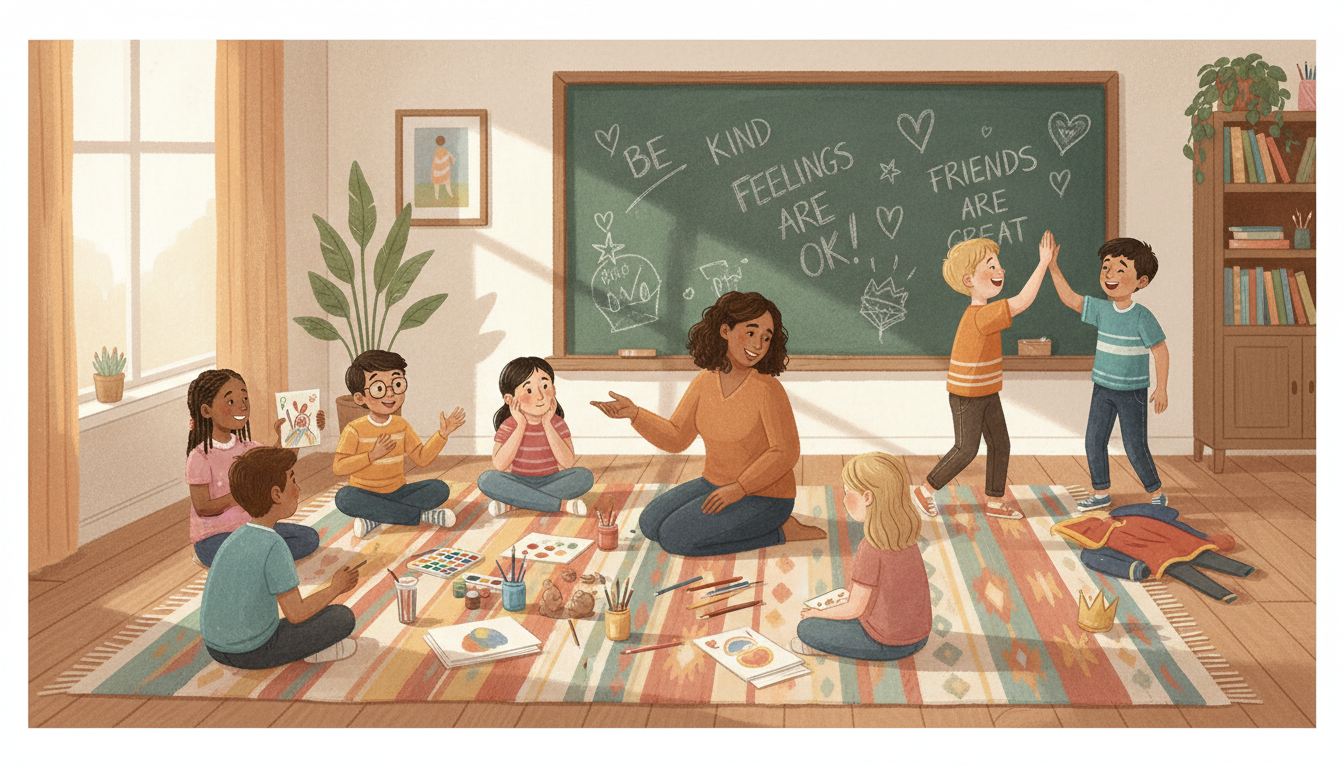
Incorporate stories and role-playing to teach empathy and problem-solving. For instance, reading a book together and discussing the characters' emotions can offer valuable lessons in empathy. Encourage your child to express emotions openly, reinforcing that all feelings are valid and providing a safe space for discussion.
Practical Activities for Social Emotional Learning at Home
Engaging your child in practical activities is a fun and effective way to boost social emotional learning at home. Mindfulness exercises, such as simple breathing techniques or focusing on sounds in nature, can enhance focus and calm. Try setting aside a few minutes each day to practice these exercises together.
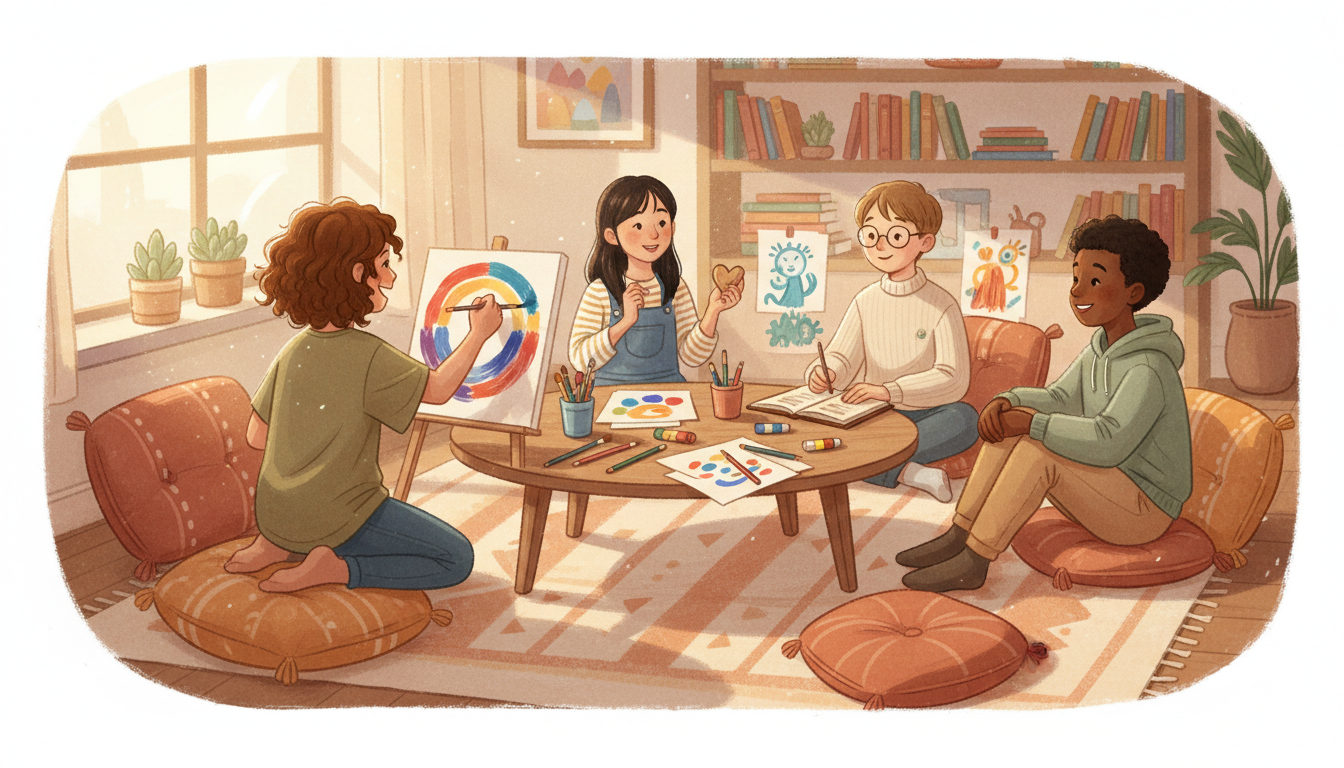
Art and play-based activities are wonderful for emotional expression. Encourage your child to draw or paint how they feel, which can be a non-verbal way to process emotions. Family discussions and games, such as charades or storytelling prompts, can strengthen communication skills. These activities foster a collaborative environment where everyone participates and learns from each other.
Explore more structured SEL activities with resources like Fireside, which claims to offer engaging content tailored to children's needs.
Overcoming Challenges in SEL Implementation
Implementing SEL at home isn't always straightforward and can come with challenges. Cultural differences might affect how emotions are expressed or discussed. It's essential to respect and incorporate these differences while promoting universal SEL skills.
Balancing SEL activities with academic and extracurricular commitments can be tricky. Try integrating SEL into existing routines rather than adding more to your child's plate. If your child resists SEL activities, use positive reinforcement to encourage participation. Highlight the fun and rewarding aspects of these activities to motivate them.
Tools and Resources for Parents
To support your efforts in enhancing social emotional learning at home, numerous tools and resources are available. Recommended books such as "The Whole-Brain Child" by Daniel J. Siegel offer insightful guidance. Online resources, including educational websites and community forums, provide valuable information and support.
Apps like Fireside claim to offer engaging ways for kids to develop SEL skills through interactive activities and stories [Source needed]. Joining parent groups or community support networks can also offer encouragement and practical advice from those with similar goals.
Incorporating SEL into Daily Life
Incorporating SEL into daily life can be both simple and rewarding. Integrate techniques like active listening during conversations, showing empathy by acknowledging and validating your child's feelings, and practicing gratitude together. Creating a supportive home environment where emotional expression is encouraged helps foster SEL naturally.
Real-life examples, such as discussing a challenging day at school and brainstorming solutions together, show how SEL can be woven into everyday experiences. These practices not only enhance your child's emotional intelligence but also strengthen your family bonds.