Discovering engaging screen time alternatives for kids can be a game-changer for your family dynamics. In a world where screens dominate much of our leisure time, finding the right balance is essential. Whether it’s for health reasons, enhancing creativity, or simply to increase family bonding, exploring alternatives can enrich your child's life. Let's dive into creative and educational activities that will captivate your child’s interest without a screen in sight. While exploring screen time alternatives, some educational apps can offer a balanced approach.
Key Takeaways
- Reducing screen time is crucial for your child's health and development.
- Creative and educational activities can serve as effective screen time alternatives.
- Balancing screen time with other activities fosters holistic development.
What Activities Can Replace Screen Time for Kids?
Replacing screen time with meaningful activities isn't just possible; it's necessary. Start by understanding your child’s interests and tailor activities accordingly. Involving your kids in the decision process can make the transition smoother and more enjoyable.
Creative Indoor Activities
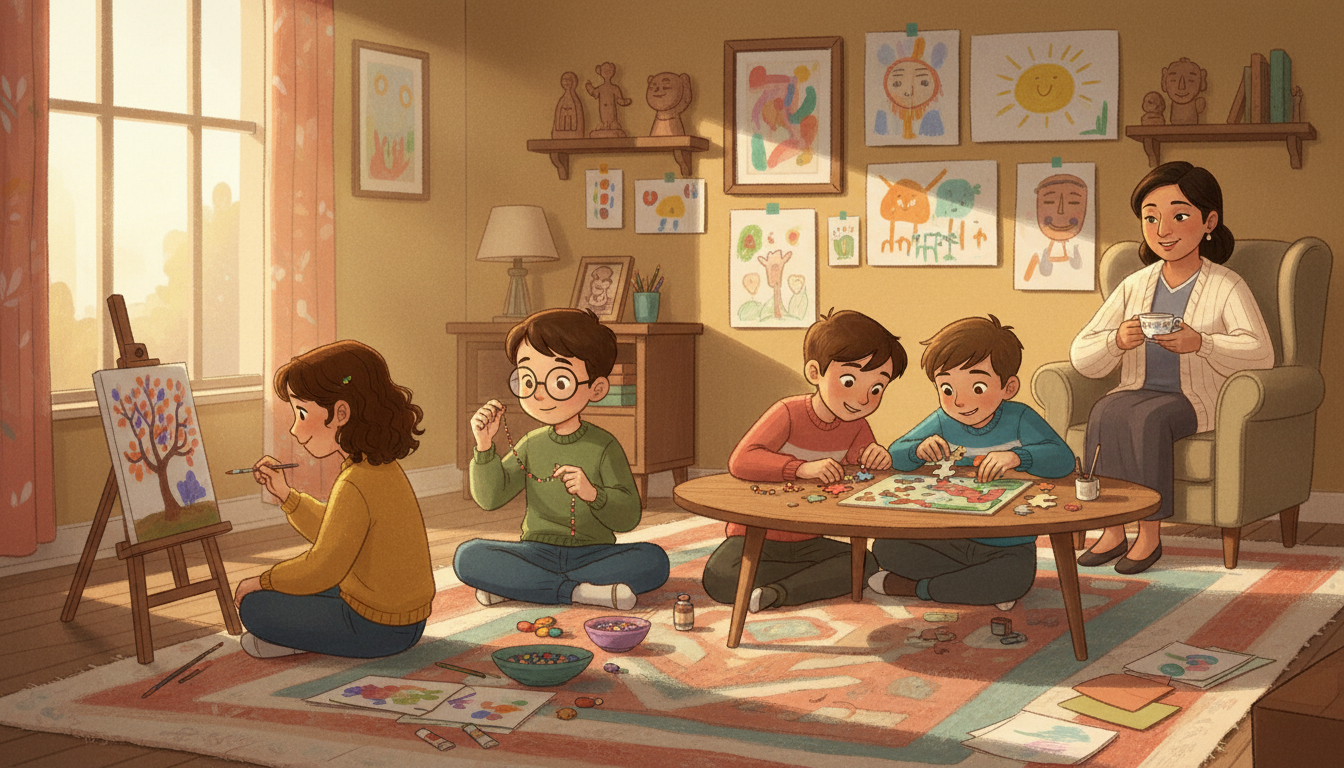
Keep your kids entertained with arts and crafts projects. Encourage them to create something new every day, whether it's painting, making jewelry, or building models out of clay. Puzzles and board games are excellent for developing problem-solving skills while keeping them engaged. For a dose of science, try DIY experiments like creating a volcano with baking soda and vinegar. These activities not only entertain but also educate, instilling a sense of curiosity and creativity in your child.
Outdoor Adventures
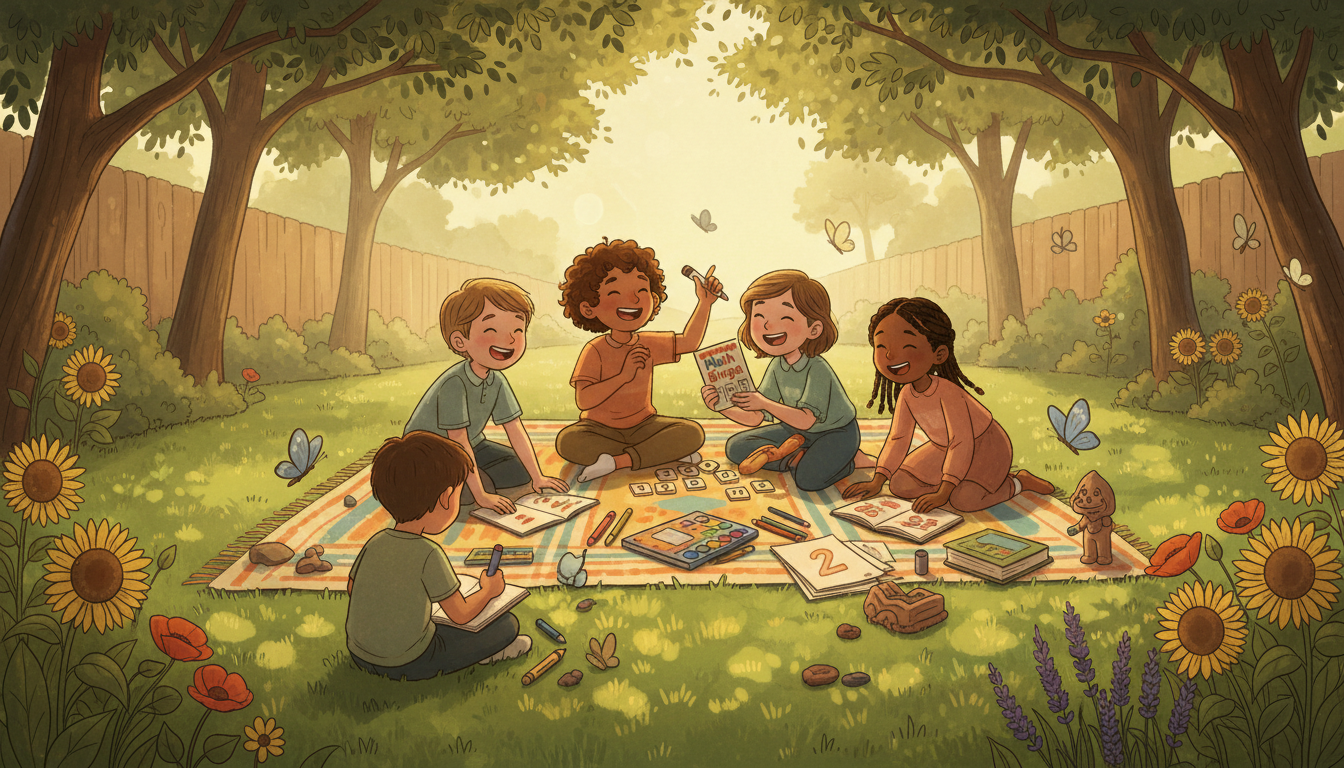
The great outdoors offers endless opportunities. Organize a nature scavenger hunt to help your kids appreciate the environment while having fun. Sports and physical games like soccer or tag are excellent for burning energy and improving physical fitness. Gardening and planting teach kids patience and responsibility, and there's nothing like the joy of seeing a seed grow into a plant. Outdoor play not only promotes physical health but also social skills through teamwork and cooperation.
Why Reducing Screen Time is Important
Reducing screen time is vital for your child's overall well-being. Excessive screen time can lead to several health issues, including eye strain, poor posture, and decreased physical activity, which can contribute to obesity. Mentally, too much screen time can impact a child's sleep cycle and even contribute to anxiety and depression.
Experts agree that children benefit from a balanced approach to screen time. By limiting screen use, you give your child more opportunities to engage in imaginative play, interact socially, and develop crucial life skills. A well-rounded routine helps them thrive both physically and mentally.
Educational Alternatives to Screen Time
Learning and fun can go hand in hand, even without a screen.
Educational Games and Apps
Certain interactive learning apps can be beneficial, depending on their content and how they are used. Offline educational board games, like Scrabble or Monopoly, can teach math, vocabulary, and strategy, making learning a family affair.
Reading and Storytelling
Dive into the world of books. Reading together as a family not only improves literacy skills but also strengthens family bonds. Encourage your kids to create and tell their stories, which enhances their creativity and expression. Storytelling can transport them to different worlds and ignite their imagination, offering a screen-free escape.
As you explore these educational alternatives, consider incorporating apps that blend learning with entertainment to keep screen time productive.
How Much Screen Time is Too Much for Children?
Understanding the recommended screen time limits is essential for maintaining a healthy balance. For children aged 8-12, experts suggest no more than two hours of recreational screen time per day. Use parental control tools to monitor and manage your child's screen use effectively.
Balance is key. Complement screen time with physical activities and ensure that digital time is both educational and recreational. By setting these boundaries, you encourage a healthier lifestyle for your child.
Involving Kids in Choosing Alternatives
Involve your children in selecting activities to make them more invested. Ask them for suggestions and genuinely consider their interests. This involvement fosters a sense of ownership and responsibility.
Adapt activities based on their feedback. If they express interest in a new hobby or sport, explore it together. Listening to their input shows that you value their preferences, making them more likely to embrace screen time alternatives.
Benefits of Screen Time Alternatives
The benefits of integrating screen time alternatives into your child's routine are manifold.
- Improved Physical Health: Activities like sports and outdoor play enhance fitness and coordination.
- Enhanced Social Skills: Group activities teach teamwork, communication, and empathy.
- Boost in Creativity: Arts, crafts, and storytelling foster imagination and problem-solving.
These benefits contribute to your child’s development, preparing them for a balanced and fulfilling life.
Conclusion and Additional Resources
In conclusion, diversifying your child's activities beyond screens can lead to improved health, creativity, and social skills. Encourage your children to explore a variety of interests to develop a well-rounded lifestyle. For more ideas and resources on parenting and kids' activities, explore our related articles.
By embracing these powerful screen time alternatives for kids, you're setting the stage for a healthier, happier, and more engaged family life.
FAQs
What creative games can kids play without screens?
Kids can engage in board games, craft activities, and outdoor sports to stimulate creativity without screens.
How can I encourage my kids to play outside more?
Plan exciting outdoor activities like scavenger hunts or sports, and participate with them to increase enthusiasm.
What are some educational alternatives to screen time?
Educational alternatives include reading, storytelling, interactive learning apps, and science experiments.
What are the benefits of reducing screen time?
Benefits include better physical health, improved mental well-being, enhanced social skills, and increased creativity.
How to balance screen time with other activities?
Set limits on screen time, encourage diverse activities, and involve children in choosing non-screen alternatives.