Discovering how to instill resilience in children is a journey worth embarking on. Resilience activities for kids can enhance their emotional strength, potentially helping them navigate life's challenges with more confidence. These activities are not only fun and engaging but also educational, especially for children aged 8-12. As you delve into these strategies, consider using tools like the Fireside app to offer interactive resilience-building exercises.
Key Takeaways
Understanding resilience is crucial for child development. It equips them with the ability to manage stress and adapt to changes effectively. Resilience activities can be both fun and educational, providing opportunities for children to develop critical life skills. The Fireside app is a resource that offers interactive tools to build resilience in a structured manner.
What are the Top Resilience Activities for Kids?
Introducing resilience activities into your child's routine can have lasting benefits. Here's how you can start:
Activity 1: Role-Playing Challenges
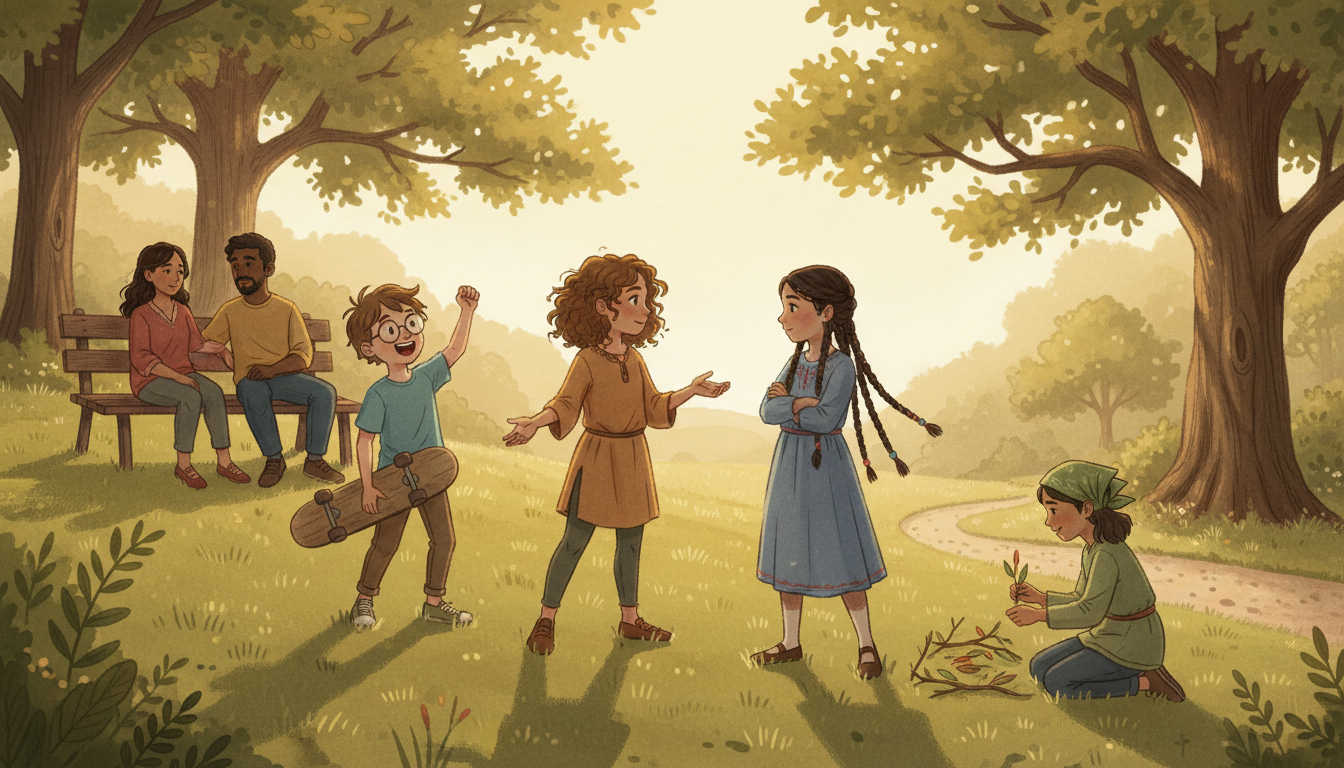
Role-playing is a method that can teach children how to navigate difficult situations. Create scenarios where your child plays different roles, such as dealing with peer pressure or handling a disagreement with a friend. This kind of play encourages problem-solving and adaptability in a safe environment, allowing kids to practice responses to real-life challenges.
Activity 2: Creative Storytelling
Encourage your child to engage in creative storytelling. Ask them to create stories that involve overcoming obstacles, like a hero's journey. This helps kids understand the narrative of resilience and the importance of persistence and problem-solving. Gather as a family and have each member share their story, fostering an environment of open communication and support.
Activity 3: Building Projects
Engage your child in building projects that require teamwork and persistence. Whether it's constructing a model or tackling a DIY project, these activities can teach children how to work collaboratively and the value of perseverance when faced with setbacks.
Activity 4: Mindfulness Exercises
Practicing mindfulness can significantly improve a child's focus and calm. Simple exercises such as deep breathing, guided visualization, or yoga can help your child manage stress and maintain emotional balance. Introduce short mindfulness sessions into your daily routine to help children develop this beneficial habit.
Activity 5: Emotional Expression through Art
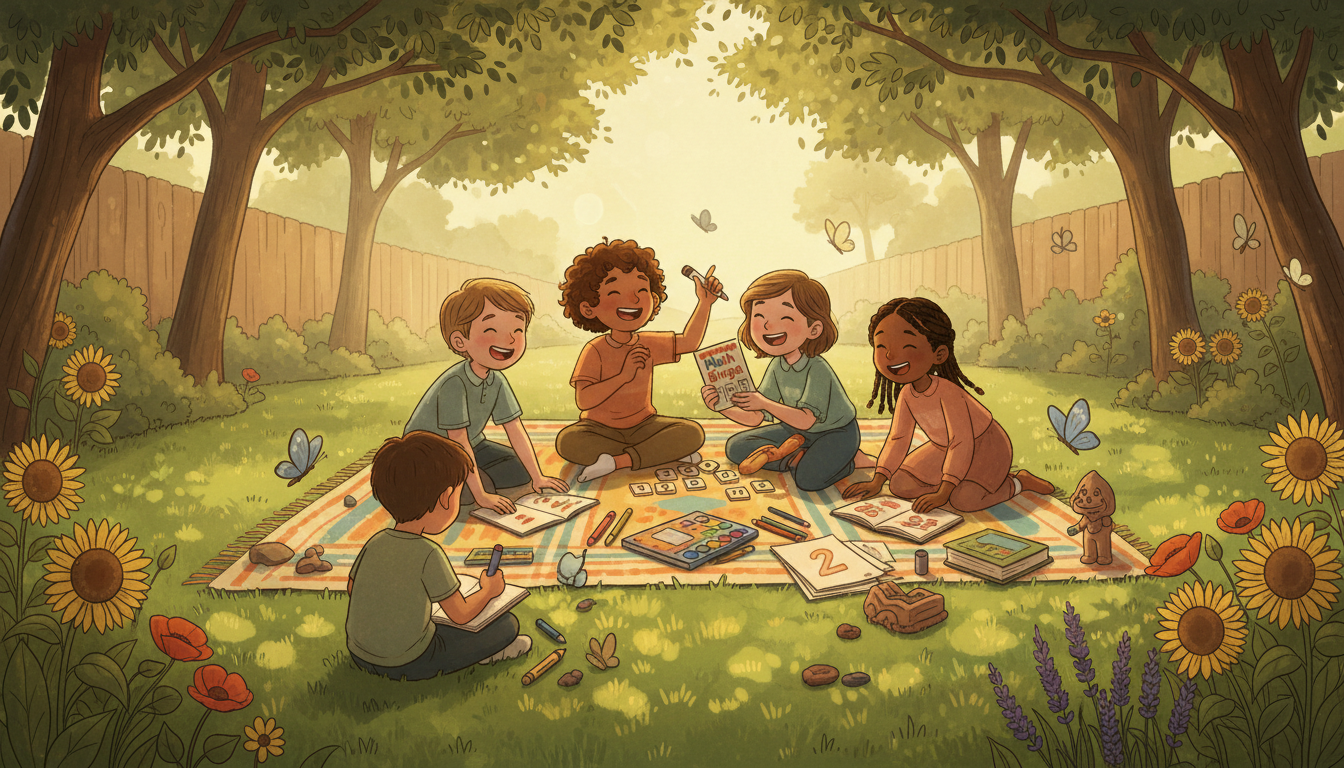
Art provides a creative outlet for kids to express and discuss their feelings. Encourage your child to paint, draw, or sculpt their emotions, then have a discussion about what they created. This process helps children identify and articulate their emotions, a key aspect of building emotional resilience.
Explore more resilience activities on the Fireside app.
Why is Resilience Important for Kids?
Resilience is a crucial component of emotional and psychological development. It helps children handle stress and adversity, enabling them to bounce back from setbacks. Developing resilience can potentially lead to improved emotional well-being and academic performance, as kids learn to approach challenges with a positive and proactive mindset.
Resilience also promotes healthy coping mechanisms that are vital during the transitional years of childhood. By fostering resilience, you're equipping your child with tools that will benefit them well into adulthood.
How Can I Help My Child Build Resilience?
Building resilience in children requires a supportive environment and intentional efforts. Here's how you can facilitate this development:
Encouraging a Growth Mindset
Discuss the importance of learning from mistakes. Encourage your child to see setbacks as opportunities for growth rather than failures. Praise their efforts rather than just their achievements to reinforce the idea that perseverance is key to success.
Promoting Emotional Intelligence
Teach your child to recognize and express their emotions. Use open-ended questions to guide discussions about feelings, helping them articulate what they are experiencing. This practice not only boosts resilience but also enhances their emotional intelligence.
Are There Specific Games that Teach Resilience?
Games have the power to teach resilience in an engaging manner. Consider incorporating these into your child's routine:
Game 1: Cooperative Board Games
Cooperative board games like "Pandemic" can promote teamwork, strategic thinking, and collaboration. These games require players to work together to solve problems, teaching valuable lessons about cooperation and adaptability.
Game 2: Interactive Learning Apps
Apps like Fireside offer digital resilience-building exercises designed to engage children in fun, interactive ways. These apps provide scenarios and activities that develop critical thinking and emotional strength, making them a valuable tool in teaching resilience to kids.
Age-Appropriate Activities for Building Resilience
Tailor resilience activities to match the developmental level of your child, particularly those aged 8-12. Consider a mix of physical and mental challenges to keep them engaged and motivated. Activities should gradually increase in complexity to align with their growing capabilities and confidence.
Success Stories and Case Studies
Real-life examples can be powerful motivators. While specific examples are not provided here, many parents and educators have reported that resilience activities benefit children, improving emotional regulation and problem-solving skills.
Tips for Parents to Foster Resilience at Home
Creating a supportive environment is key to fostering resilience at home. Encourage risk-taking by allowing your child to tackle challenges independently. Model resilient behavior by sharing your own experiences and how you overcame difficulties. This transparency can inspire your child to adopt a similar mindset when faced with their own challenges.