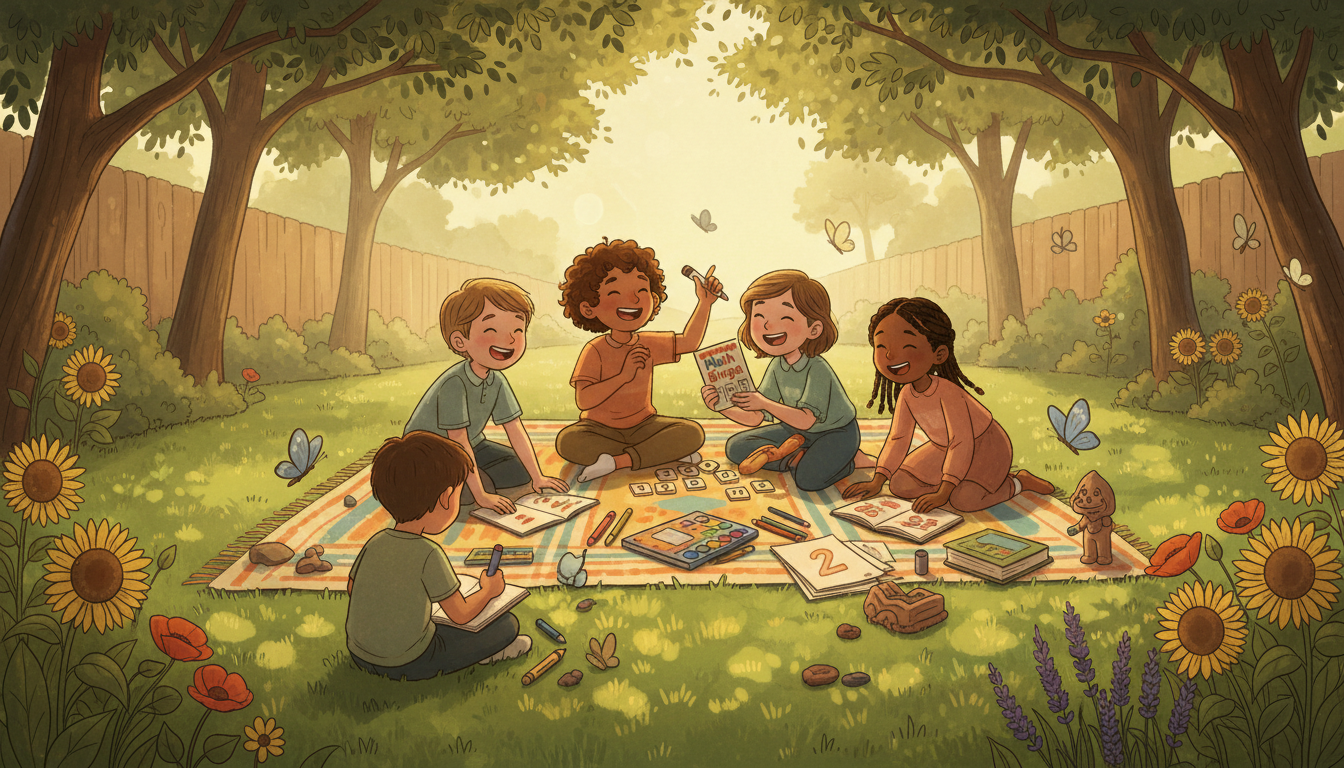
Raising mentally strong children isn't just about preparing them to face life's challenges. It's about nurturing resilience, cultivating emotional intelligence, and promoting adaptability. As parents, your role is pivotal in shaping these traits, offering guidance, and providing a supportive environment. Let's explore strategies to enhance resilience and character in children aged 8-12. And for ongoing support and insights, consider using the Fireside app to connect with other parents on this journey.
Key Takeaways
- Understand and nurture mental strength in children aged 8-12. This age is crucial for developing lifelong habits.
- Implement practical strategies to enhance resilience and character, using everyday situations.
- Engage your child in age-appropriate activities to foster mental strength, from sports to mindfulness exercises.
What Are the Characteristics of Mentally Strong Children?
Mentally strong children typically exhibit resilience, emotional intelligence, and adaptability. Resilience refers to their ability to bounce back from setbacks. These children approach failure as an opportunity for learning rather than as a defeat. Emotional intelligence is another hallmark, where children recognize, understand, and manage their emotions effectively. They can empathize with peers and navigate social interactions smoothly.
Self-regulation is another critical characteristic. It allows children to control their impulses and delay gratification, contributing positively to their behavior and decision-making. Lastly, mentally strong children possess positive coping skills. They know how to handle stress and seek solutions rather than succumbing to pressure. These traits together build a foundation for a child's success and well-being.
How Can Parents Help Children Build Resilience?
Building resilience starts at home with an environment that encourages open communication and supportive parenting. Model resilience by demonstrating how to handle your own setbacks with grace. Children learn by example, so show them how to problem-solve and maintain a positive outlook. Encourage them to talk about their feelings and experiences, helping them process emotions constructively.
Engage in role-playing scenarios that allow your child to practice how they might respond to peer pressure or disappointment. Celebrate efforts rather than outcomes to help them understand the value of perseverance.
Additionally, establish a safe space for your child to express themselves without judgment. This involves active listening and validating their feelings, which fosters trust and emotional strength. Set realistic goals for your child. Break larger tasks into smaller, manageable steps, allowing them to experience success incrementally.
For more practical tips, check out our guide on raising resilient kids.
Age-Appropriate Activities to Strengthen Mental Health
Incorporating specific activities into your child's routine can significantly boost their mental strength. Mindfulness exercises, like simple meditation or deep breathing, help them focus and reduce anxiety. Encourage them to keep a journal where they can jot down thoughts and feelings, which aids in emotional processing.
Outdoor activities, such as team sports, not only improve physical health but also teach teamwork and perseverance. Consider enrolling them in a local sports team, such as soccer or basketball, where they can learn to work collaboratively and handle wins and losses gracefully.
For creative minds, activities like arts and crafts or playing a musical instrument can be excellent outlets for expression and stress relief. Social activities, such as playdates or community service projects, further develop their interpersonal skills and empathy.
How Does Parenting Style Affect a Child's Mental Strength?
Parenting style significantly influences a child's mental resilience. Authoritative parenting—characterized by warmth and discipline—tends to foster the most resilient children. This style encourages independence while maintaining boundaries, teaching kids to make decisions within safe limits.
Conversely, overly permissive parenting might hinder a child's ability to cope with adversity, as they may struggle with boundaries and self-regulation. On the flip side, overly authoritarian approaches can stifle a child's confidence and problem-solving abilities.
To enhance mental resilience, practice positive parenting techniques. This means providing consistent support, being a reliable source of guidance, and setting clear expectations. Encourage autonomy by allowing children to make age-appropriate choices, boosting their confidence and decision-making skills.
Expert Insights on Child Resilience
According to child psychologists, resilience is not an innate trait but a skill that can be developed over time. Dr. Lisa Damour emphasizes the importance of allowing children to experience manageable amounts of stress, although specific studies or publications are not cited here. "It's through these experiences that they learn to navigate challenges," she explains.
Cultural considerations also play a role in resilience. For example, some cultures emphasize community and collective problem-solving, which can enhance a child's ability to work well with others. Success stories from various backgrounds show that a supportive community and strong family ties can significantly bolster resilience in children.
These insights suggest a balanced approach to parenting—one that involves both individual and collective growth.
Conclusion and Further Resources
In summary, raising mentally strong children involves fostering resilience, emotional intelligence, and adaptability through supportive parenting, open communication, and strategic activities. For ongoing guidance, exploration, and community support, download the Fireside app—your partner in this rewarding journey.
FAQs
When should I start teaching my child about mental strength?
It's beneficial to start teaching mental strength early, ideally as soon as children begin to understand emotions and social interactions, usually around age 4-5.
What are the signs of a mentally strong child?
Signs include resilience in the face of adversity, the ability to express emotions appropriately, and a positive outlook on challenges.
How can I encourage my child to express emotions?
Use tools like a feelings chart and model emotional expression. Encourage open communication and validate their feelings.
Are there specific activities that enhance mental strength?
Yes, activities such as mindfulness exercises, team sports, and age-appropriate responsibilities can enhance mental strength.
How does technology impact a child's mental strength?
Technology can both positively and negatively impact mental strength. It's crucial to balance screen time with other activities and encourage educational content.