Discovering how to make learning fun for kids can be a game-changer in your child's education journey. When learning becomes an enjoyable experience, children not only grasp concepts better but also develop a lifelong passion for knowledge. Whether it's through playful activities or engaging tech tools, there are countless ways to spark your child's curiosity and enthusiasm. As a parent, your role in facilitating these experiences is important. And remember, various educational resources can further support you with innovative approaches to learning.
How Can You Make Learning Fun for Kids?
Incorporating play into the learning process is a fantastic way to keep your child engaged. Children between the ages of 8-12 thrive in environments that mix fun with education. For instance, using games and creative storytelling can make even the most challenging subjects more accessible. Tailoring activities to your child's interests will further personalize their learning experience, making it not only enjoyable but also deeply meaningful.
Understanding Your Child's Learning Style
Every child is different, and understanding your child's learning style can greatly enhance their educational experience. Is your child a visual learner who thrives with diagrams and videos? Or perhaps an auditory learner who benefits from listening to explanations and discussions? Some children are kinesthetic learners who learn best through hands-on activities. Identifying this can help you customize fun learning experiences that resonate with them.
Why Is Making Learning Fun Important for Children?
Making learning fun isn't just about keeping kids entertained—it's a critical component of effective education. Fun learning activities for kids boost motivation and engagement, making them eager to tackle new challenges. This approach also enhances cognitive skills by encouraging creative thinking and problem-solving. Moreover, instilling a love for learning early on can set children up for success throughout their lives.
The Psychological Benefits of Fun Learning
Engaging activities have been shown to increase dopamine levels in the brain, which can improve focus and retention. This neurotransmitter is often linked with feelings of pleasure and reward, which means that children who enjoy what they are learning are more likely to remember the material. Such activities also foster a positive emotional connection to learning, which can encourage a lifelong love for education.
What Are Some Interactive and Creative Learning Activities?
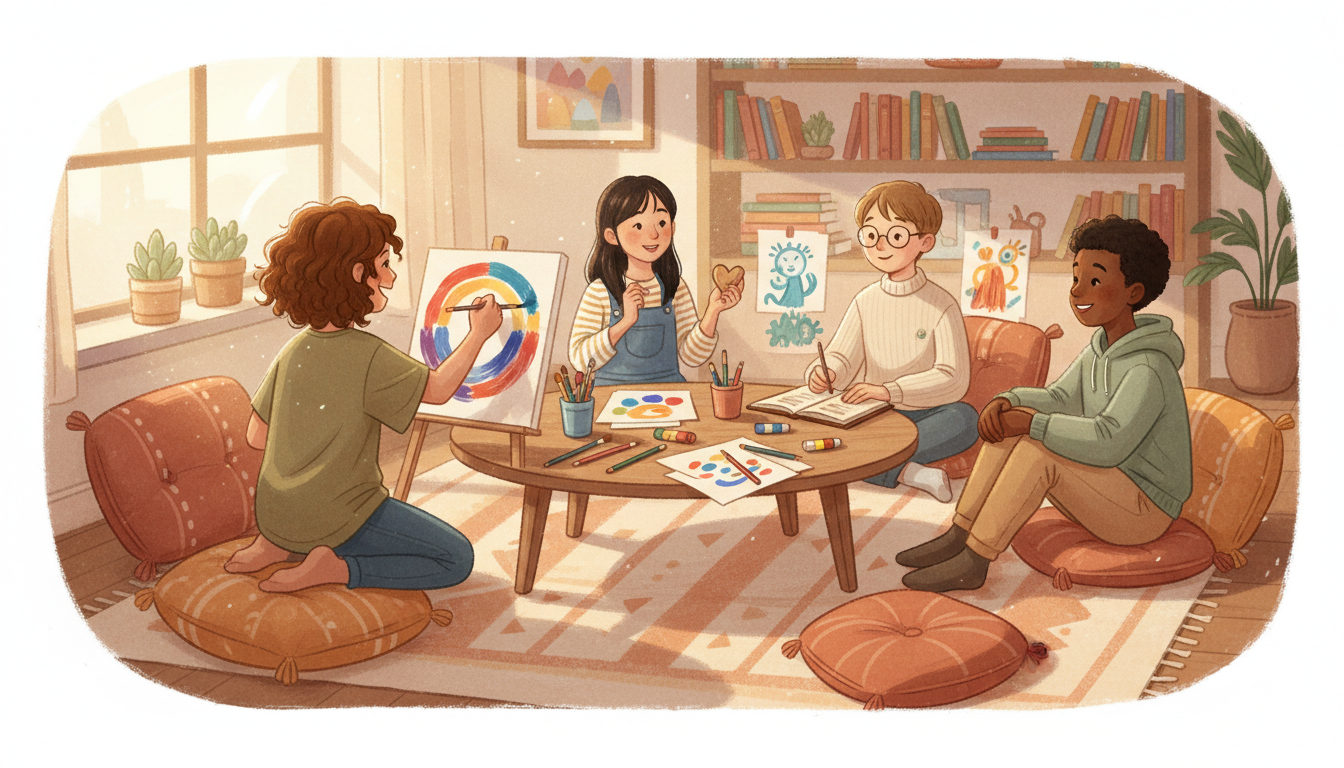
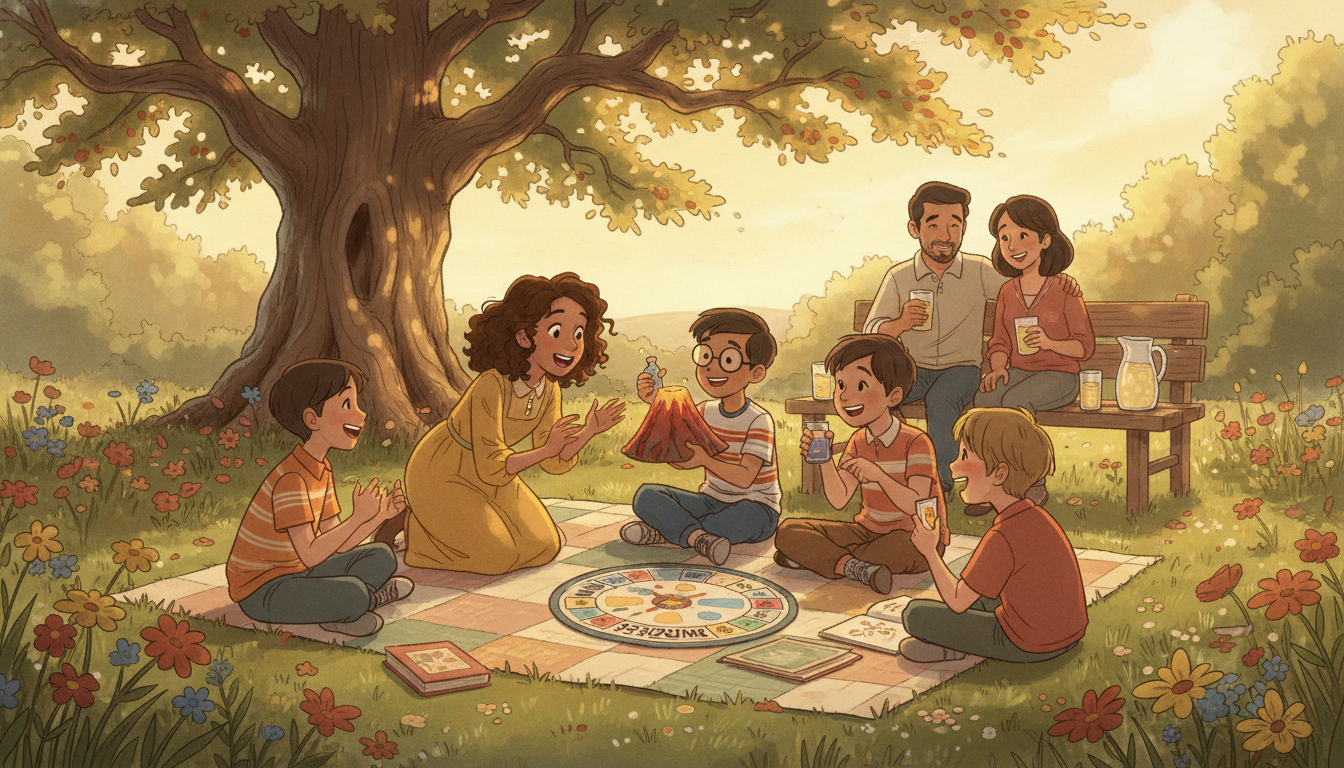
Interactive and creative learning activities can transform traditional education into an exciting adventure. Arts and crafts, for instance, can be used to teach math and science concepts. Imagine using origami to explain geometry or crafting a model volcano to demonstrate chemical reactions. Storytelling can bring history to life, while outdoor activities offer hands-on ways to learn about the environment.
Outdoor Learning Adventures
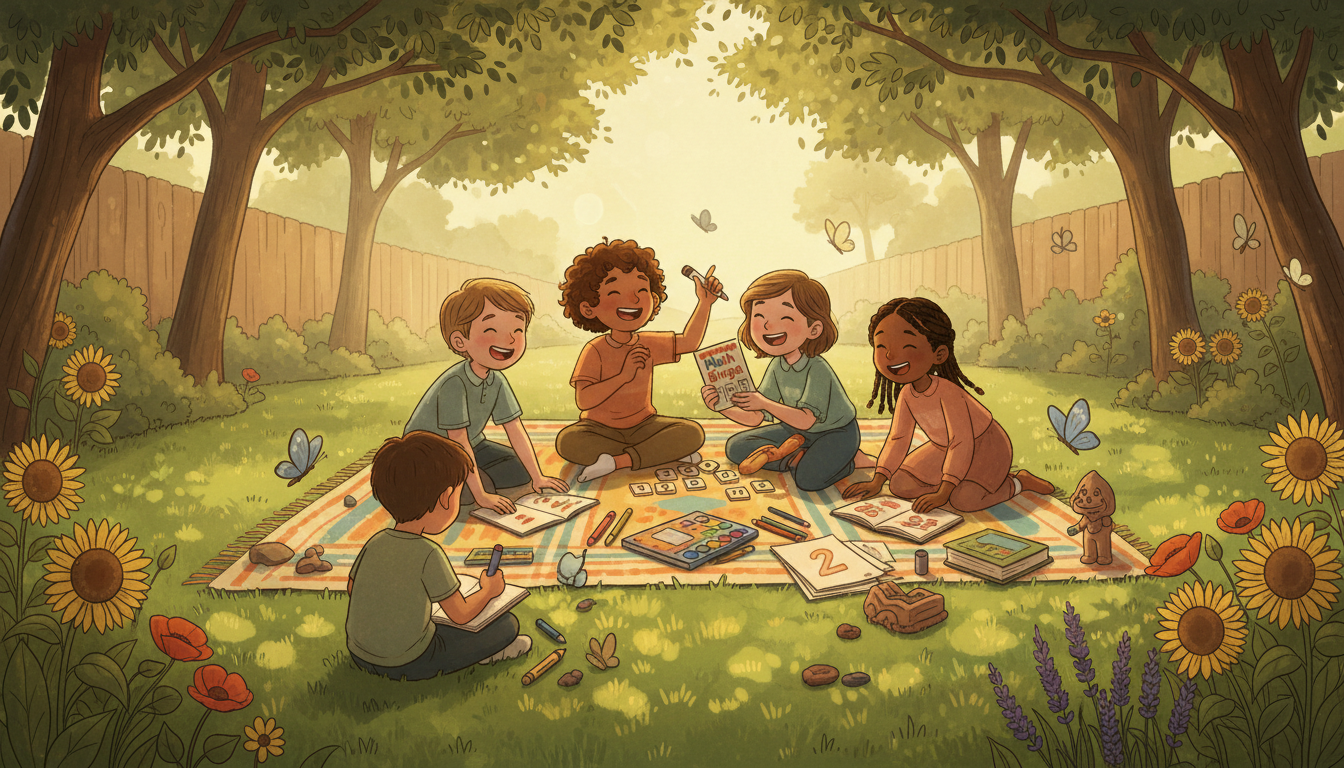
Consider organizing nature walks or treasure hunts to teach geography and biology. On a nature walk, you could identify different plant species or track animal footprints, turning a simple stroll into an educational journey. A treasure hunt with a map can teach kids about navigation and spatial awareness. These outdoor adventures not only enhance learning but also promote physical activity and mental health.
What Games Can Help Kids Learn Effectively?
Games can be powerful tools for learning, offering a balance of fun and educational value. Board games like 'Scrabble' develop vocabulary and spelling skills, while 'Chess' encourages strategic thinking. Digital games such as 'Minecraft' allow children to explore creativity and problem-solving within a virtual environment, enhancing their spatial awareness and planning skills.
Top Educational Games for Kids
- Scrabble: Enhances vocabulary and spelling prowess through word formation and creativity.
- Minecraft: A sandbox game that fosters creativity, architecture skills, and problem-solving abilities.
- LEGO: Encourages hands-on building, improving fine motor skills and engineering concepts.
These games not only provide entertainment but also cultivate important skills that contribute to your child's cognitive development.
How Can You Use Technology to Make Learning Fun?
Technology offers a wealth of opportunities to make learning enjoyable and accessible. Educational apps and platforms can transform how children engage with subjects. Apps like Duolingo make language learning interactive, while Khan Academy offers comprehensive lessons on a variety of subjects, catering to different learning styles.
Exploring Educational Apps
Explore various educational apps that focus on building skills and character in children. These apps provide a structured yet flexible environment where learning is customized to the child's pace and interest. Videos and interactive exercises on such platforms can help solidify concepts through visual and interactive means, making learning a truly engaging experience.
How to Support Learning at Home as a Parent?
Supporting learning at home involves creating a structured yet flexible learning environment. This doesn't mean replicating a school setting, but rather providing space and resources that encourage curiosity and exploration. Encourage your child to ask questions and explore topics that interest them. Show enthusiasm for learning by participating in activities and discussions.
Creating a Positive Learning Atmosphere
Designate a specific area in your home that is free from distractions and conducive to study. Stock it with essential supplies, such as books, art materials, and educational games. Maintain a positive attitude towards learning challenges, reinforcing the idea that mistakes are opportunities for growth. By modeling this mindset, you help your child build resilience and a love for learning.
Conclusion and Resources for Engaged Learning
In summary, making learning fun for kids is a multi-faceted approach that involves play, engagement, and personalization. By incorporating creative activities, leveraging technology, and supporting your child at home, you can transform education into an exciting journey of discovery. It's essential for parents to be proactive in their child's education, continuously looking for ways to enrich their learning experiences.
Further Reading and Resources
For more ideas and resources, consider exploring educational websites and parental guides. Check out related articles on child engagement techniques and educational games for children. These resources offer valuable insights and practical tips to help you continue supporting your child's learning journey.
FAQs
How can parents make learning fun at home?
Parents can create a dynamic learning environment by integrating play, using technology, and adapting to their child's learning style.
What games can help kids learn?
Games like 'Scrabble', 'Minecraft', and 'Math Bingo' can enhance learning by improving vocabulary, problem-solving skills, and mathematical thinking.
How do I keep my child engaged while learning?
Use interactive activities, incorporate breaks, and tailor learning to your child's interests to maintain engagement.
What are the benefits of fun learning for kids?
Fun learning boosts motivation, enhances cognitive development, and fosters a lifelong love of learning.
How can I use technology to make learning fun?
Incorporate educational apps, online quizzes, and interactive video content to engage children in a digital learning environment.