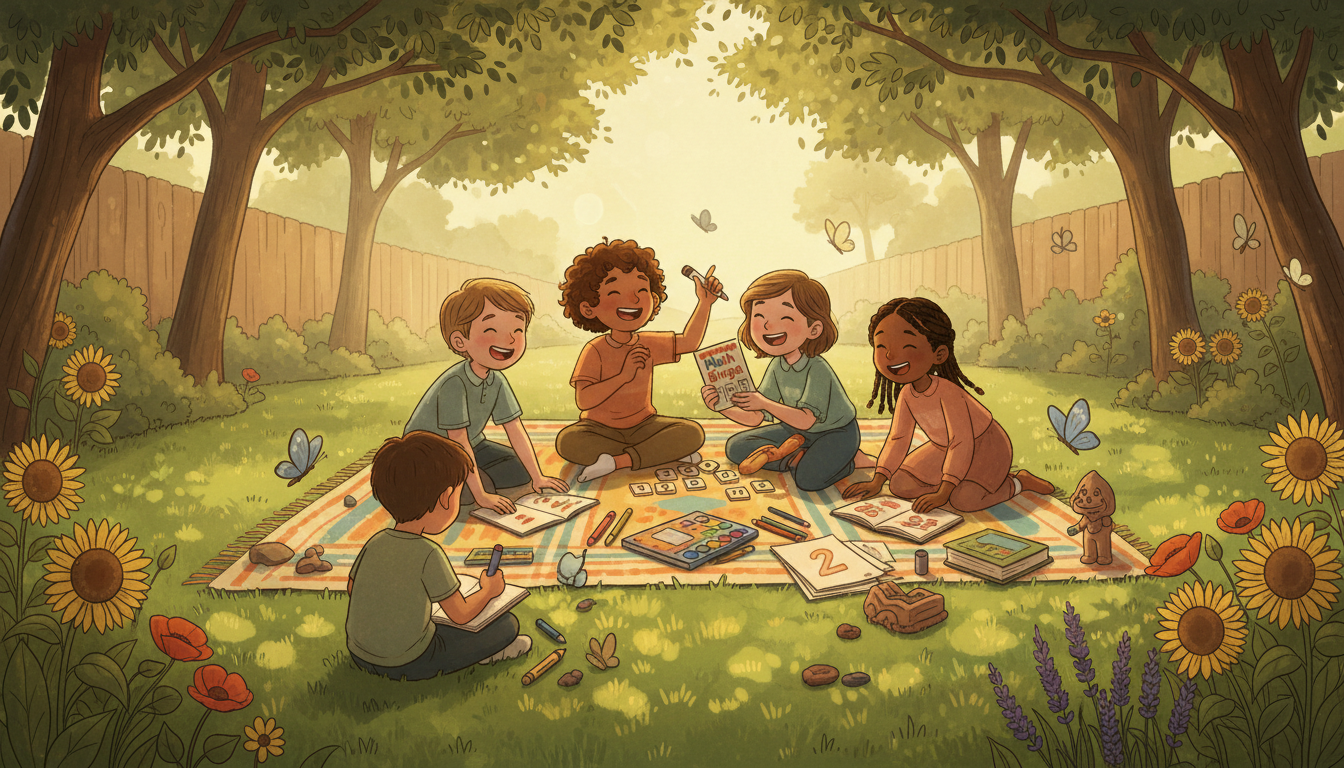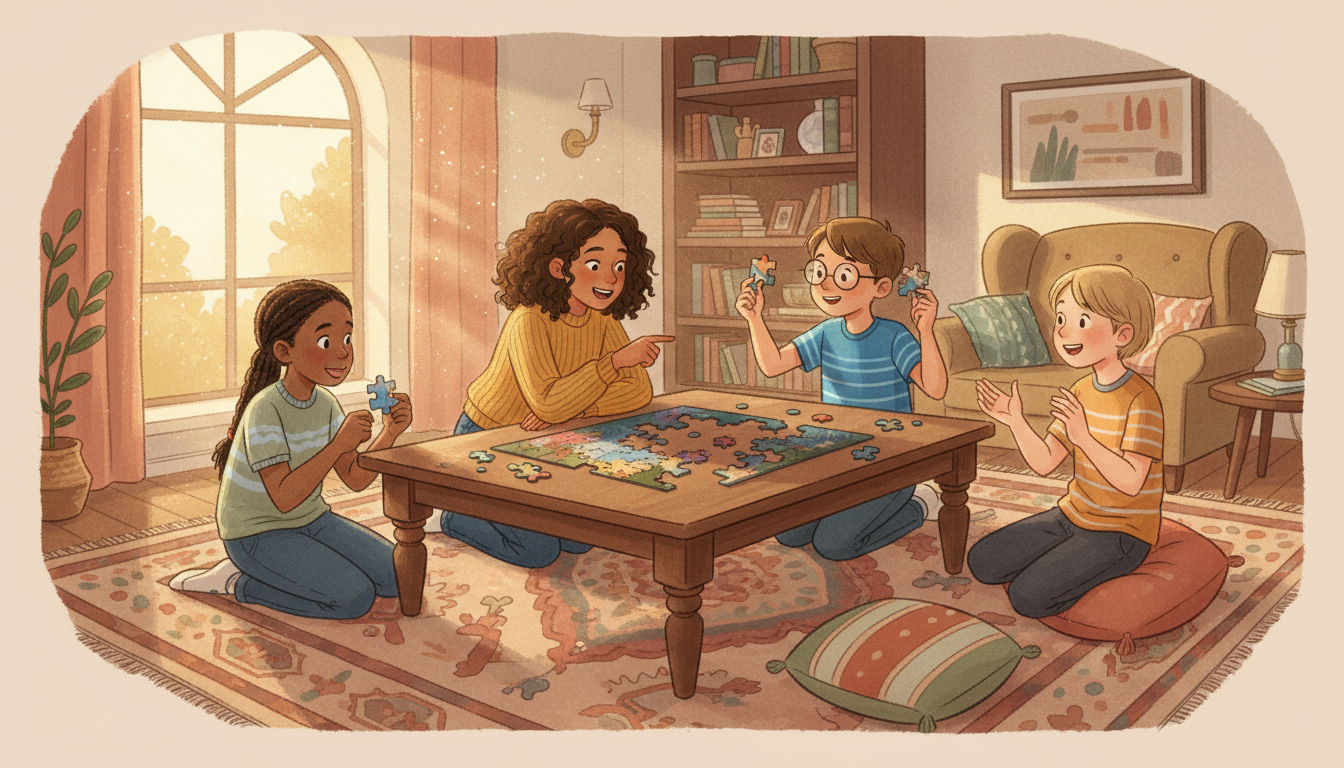
Teaching kids problem solving is a crucial component of their development. By equipping children with these skills early, you empower them to tackle challenges confidently and creatively throughout their lives. Let's dive into some essential strategies and activities that make learning problem solving not only effective but also fun for kids ages 8-12.
For personalized insights, explore expert parenting resources from reputable sources.
Understanding Problem Solving Skills in Children
Problem-solving skills are vital for children's cognitive and emotional growth. They help kids navigate the world, deal with setbacks, and foster resilience.
Why Problem Solving Matters
Problem solving isn't just about finding the right answer. It enhances critical thinking, allowing children to process information logically and make informed decisions. Moreover, it boosts self-confidence as kids learn to trust their judgment and creativity. Emotionally, children develop patience and adaptability, which are essential life skills.
Age-Appropriate Problem Solving
For children ages 8-12, problem-solving strategies should be both challenging and achievable. Encourage them to break down problems into smaller, manageable parts. Use scenarios that are relatable, such as resolving conflicts with friends or figuring out how to organize their study schedule. This approach helps them understand the process while enjoying the challenge.
What are the Best Activities to Improve Problem Solving Skills?
Engaging activities can greatly enhance problem-solving skills by combining fun with learning.
Interactive Games
Games are a fantastic way to make problem-solving practice enjoyable. For example, board games like "Clue" or "Ticket to Ride" require strategic thinking and planning. While "Minecraft" and logic puzzle apps are popular, the specific cognitive benefits can vary and should be supported by research. These games require players to think ahead, adapt to new information, and find solutions quickly.
Hands-on Activities
Creative projects and experiments offer tangible problem-solving experiences. Encourage your child to build a simple machine with household items or attempt a science experiment that requires hypothesis testing. Activities like building a model bridge from popsicle sticks teach them to evaluate structural integrity and resource management. Such hands-on experiences reinforce their understanding of practical problem solving.
Effective Strategies to Teach Kids Problem Solving
Implementing step-by-step strategies can significantly enhance your child's problem-solving abilities.
Encouraging Critical Thinking
Start by asking open-ended questions that prompt analysis and reflection. Instead of asking, "Did you like the story?" try "What would you have done differently in the story?" This technique helps your child develop analytical skills and consider multiple perspectives. Encourage them to weigh pros and cons when making decisions.
Using Technology
Leverage technology to offer diverse problem-solving experiences. Educational apps like "Prodigy" and "LightBot" challenge kids with math puzzles and coding tasks. These resources provide interactive and engaging ways to practice problem solving, giving kids the freedom to explore and learn at their own pace.
How Can I Help My Child Develop Critical Thinking Skills?
As a parent, you play a crucial role in nurturing your child's critical thinking abilities.
Questioning Techniques
Use questioning to promote deeper understanding. For instance, ask your child, "Why do you think that happened?" or "What other solutions could there be?" This strategy encourages them to articulate their thoughts and explore alternatives. The goal is to cultivate an inquisitive mindset where they are comfortable questioning and exploring.
Problem Solving in Everyday Life
Incorporate problem-solving discussions into daily life. Whether it's figuring out the best way to organize their room or planning a family outing, involve your child in the decision-making process. Discuss the steps needed and the reasoning behind choices. This real-world application reinforces the skills they're developing.
The Role of Parents in Teaching Problem Solving
Your involvement is key to fostering a supportive learning environment at home.
Modeling Problem Solving
Demonstrate effective problem-solving behaviors. Share your thought process when tackling a problem, whether it's fixing a leaky faucet or deciding how to budget for groceries. Show your child that it's okay to make mistakes and learn from them.
Encouraging Independence
Balance guidance with autonomy to build confidence. Allow your child to attempt tasks independently, but be available to provide support when needed. This approach helps them learn self-reliance while knowing they can rely on you for advice and encouragement.
Real-Life Problem Solving Scenarios
Guiding children through real-life situations enhances their problem-solving skills.
School and Social Situations
Help your child navigate school challenges, such as group projects or dealing with peer pressure. Discuss potential obstacles and brainstorm possible solutions together. Encourage empathy by asking how they think others might feel in a given situation.
Family Dynamics
Family interactions offer rich opportunities for problem solving. Involve your child in planning family activities or resolving minor conflicts at home. These scenarios teach them to communicate effectively and work collaboratively with others.
Additional Resources and Tools
Further enhance your child's learning journey with supportive resources.
Recommended Books and Apps
Books like "The Big Book of Brain Games" and apps such as "Khan Academy Kids" offer a wealth of problem-solving activities. These tools provide structured learning while allowing your child to explore their interests.
Online Communities
Join parenting forums and online groups to exchange ideas and experiences. Platforms like Reddit's "Parenting" community can offer valuable insights and support as you navigate your child's educational growth.
Now that you're equipped with strategies to teach kids problem solving, explore expert resources for even more tailored guidance.
FAQ
What age should children start learning problem solving?
Children can begin learning basic problem-solving skills as early as preschool, gradually developing more complex skills as they grow.
How do I encourage my child to think critically?
Encourage curiosity, ask open-ended questions, and engage in discussions that challenge their thinking.
What role does play have in problem solving skills?
Play provides a natural and enjoyable way for children to develop problem-solving skills through experimentation and exploration.
What are some fun problem solving games for kids?
Games like puzzles, board games, and strategy-based video games may enhance problem-solving skills, though individual results can vary.
How can technology aid in teaching problem solving?
Educational apps and games can provide interactive and engaging ways for children to practice problem-solving.
By embracing these strategies and resources, you're setting your child on a path to becoming a confident and capable problem solver. Enjoy the journey and the many discoveries along the way!