Raising resilient kids is one of the most valuable gifts you can give as a parent. Resilience involves both recovering from setbacks and thriving despite challenges. By fostering resilience, you help your children navigate life's challenges with confidence. Ready to dive in? Let's explore how you can nurture this crucial trait in your kids. And by the way, if you ever need expert guidance, check out Fireside for more parenting insights.
Key Takeaways
Understanding resilience is crucial for child development, which is why your role as a parent is so significant. By implementing practical strategies and engaging in specific activities, you can effectively enhance your child's resilience.
What is Resilience?
Resilience in children is the ability to recover quickly from difficulties and adapt to challenging situations. It's about being adaptable, maintaining a positive outlook, and having the capacity to handle stress. Resilient kids often show perseverance, creativity in problem-solving, and a calm approach even in the face of adversity.
For children aged 8-12, resilience is evident in their ability to handle failure, maintain friendships, and embrace new challenges. Look for signs like a willingness to try again after a setback, the ability to manage emotions, and a tendency to seek out solutions rather than dwelling on problems. These traits are the building blocks of resilience and can be nurtured through consistent support and encouragement.
The Importance of Resilience in Children
Resilience is a critical component of child development. It helps children deal with stress more effectively, improves social interactions, and increases overall adaptability. Resilient children are better equipped to tackle academic challenges, peer-related issues, and the ups and downs of growing up.
The benefits of resilience extend beyond childhood. Resilient individuals often enjoy better mental well-being, stronger relationships, and greater life satisfaction. By helping your child develop resilience now, you're setting them up for success in adulthood, equipping them with the tools to handle whatever life throws their way.
Practical Strategies for Parents to Build Resilience
Encouraging a Growth Mindset
Encourage your child to see challenges as opportunities to learn rather than obstacles. Praise their efforts rather than outcomes to foster a growth mindset. For instance, when they struggle with math homework, applaud their persistence and problem-solving approach instead of focusing solely on the grade.
Fostering Independence and Problem-Solving Skills
Allow your child to make decisions and solve problems on their own whenever possible. This can be as simple as letting them choose what to wear or as complex as figuring out how to resolve a conflict with a friend. This independence builds confidence and resilience.
Providing Emotional Support and Stability
Be a consistent source of support and understanding. Let your child know it's okay to feel upset or frustrated, and teach them ways to manage these emotions constructively. An emotionally supportive environment is a key factor in building resilience.
Need more tips on fostering resilience? Check out this comprehensive guide [Link to resource].
Activities to Promote Resilience
Age-Appropriate Activities for 8-12 Year Olds
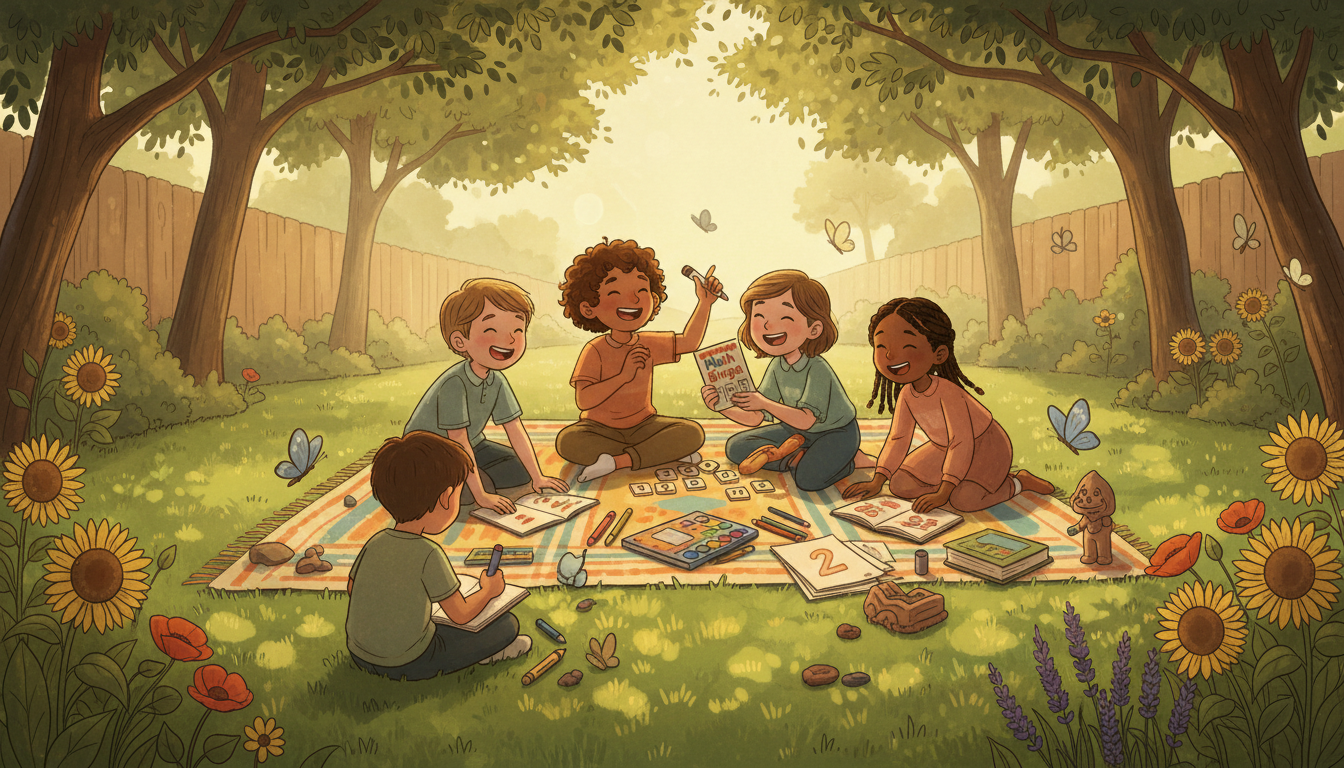
Consider activities that challenge your child while still being enjoyable. Puzzle games, board games, or even cooking together can be great ways to encourage problem-solving skills.
Games and Exercises that Build Resilience
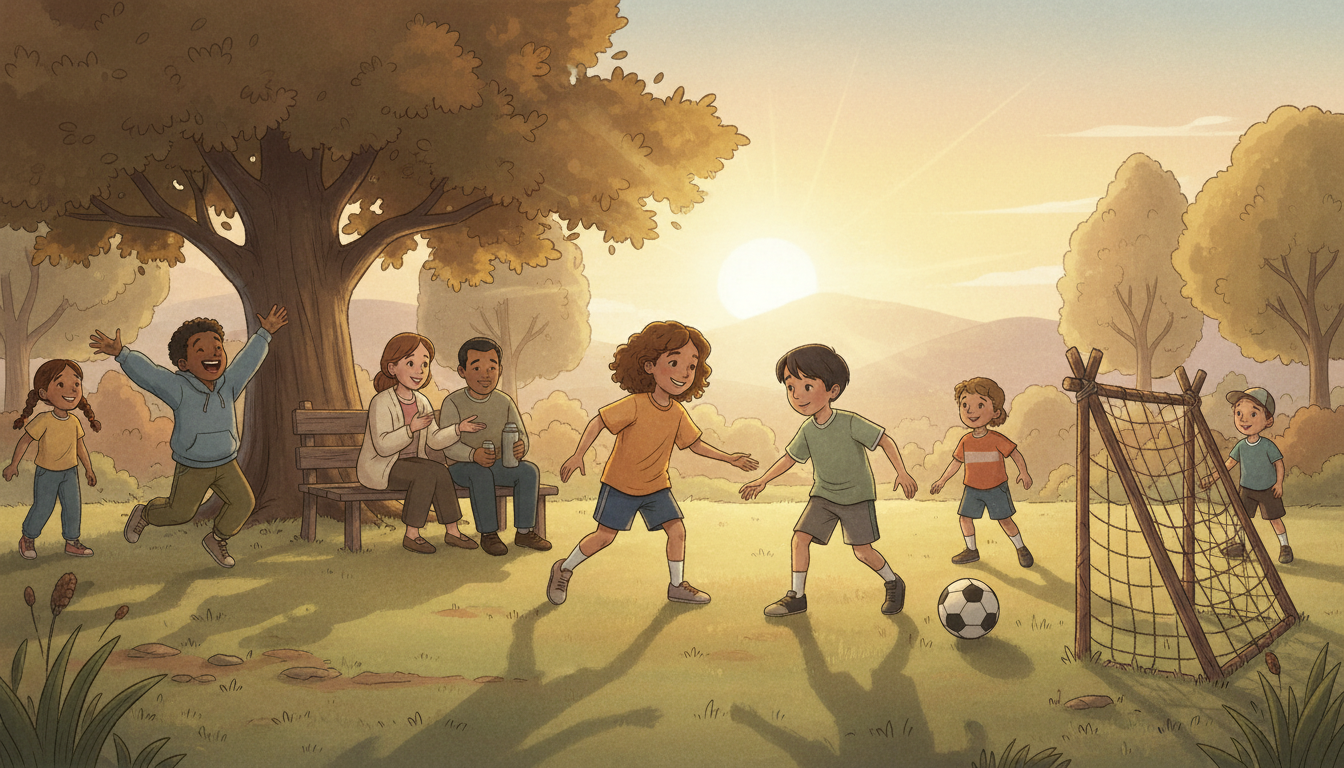
Activities like team sports teach cooperation, perseverance, and dealing with both winning and losing gracefully. Encourage your child to try new hobbies or sports to diversify their experiences and challenges.
Role of Play in Developing Resilience
Play is a powerful tool for developing resilience. It allows children to experiment with different outcomes in a safe environment. Encourage imaginative play, which can promote emotional regulation and problem-solving.
Common Mistakes to Avoid When Raising Resilient Kids
Overprotecting Children
While it's natural to want to shield your child from harm, too much protection can hinder resilience. Allow them to experience manageable risks and learn from their mistakes.
Not Allowing Children to Experience Failure
Failure is a valuable teacher. Encourage your child to view failure as an opportunity to learn and grow, rather than something to fear.
Ignoring Emotional Needs
Don't overlook your child's emotional needs in the quest to build resilience. Emotional support is crucial for helping them process experiences and build confidence.
Expert Insights on Resilience
Interviews with Child Psychologists
Child psychologists emphasize the importance of balanced parenting styles that combine warmth with clear boundaries. This approach nurtures resilience by providing a stable environment for growth.
Cultural Perspectives on Resilience
Different cultures have unique approaches to fostering resilience. Some emphasize community involvement, while others focus on individual achievements. Understanding these perspectives can broaden your approach to parenting.
Case Studies of Resilient Families
Examining families that have successfully raised resilient children can offer valuable insights. These families often highlight the importance of open communication and a supportive home environment.
How Can I Help My Child Cope with Failure?
Teach Children to View Failure as a Learning Opportunity
Help your child reframe failure as a stepping stone to success. Discuss what went wrong and what can be done differently next time.
Strategies to Build Confidence After Setbacks
Encourage your child to try again and remind them of past successes. Praise their efforts and resilience to boost their confidence.
Importance of Parental Support During Failures
Stay supportive and patient. Let your child know that failure is not the end but a part of the learning process. Your encouragement can make all the difference.
What Activities Help Build Resilience in Kids?
Outdoor Activities and Their Benefits
Being in nature can reduce stress and increase happiness. Encourage activities like hiking, biking, or simply playing outside to build resilience.
Team Sports and Group Activities
Team sports teach valuable life skills such as teamwork, communication, and resilience. Encourage your child to participate in sports they enjoy.
Creative Arts and Resilience
Art encourages self-expression and problem-solving. Whether it's drawing, music, or dance, creative arts can help your child manage emotions and challenges.
FAQ
What are the signs of a resilient child?
Resilient children often display perseverance, adaptability, and the ability to recover from setbacks quickly.
Can resilience be taught?
Yes, resilience can be taught through consistent support, positive reinforcement, and encouraging problem-solving.
What role does a positive environment play in resilience?
A positive environment provides emotional stability and support, which are crucial for developing resilience.
How does resilience impact a child's development?
Resilience helps children handle stress better, improves their social interactions, and increases their overall adaptability.
What is the parent's role in building resilience?
Parents can model resilient behavior, provide support, and encourage children to face challenges independently.
By taking these steps, you are providing your child with the skills they need to thrive. Resilience isn't just a trait; it's a vital life skill that will serve them well into adulthood. Reach out to Fireside for more personalized guidance on your parenting journey.