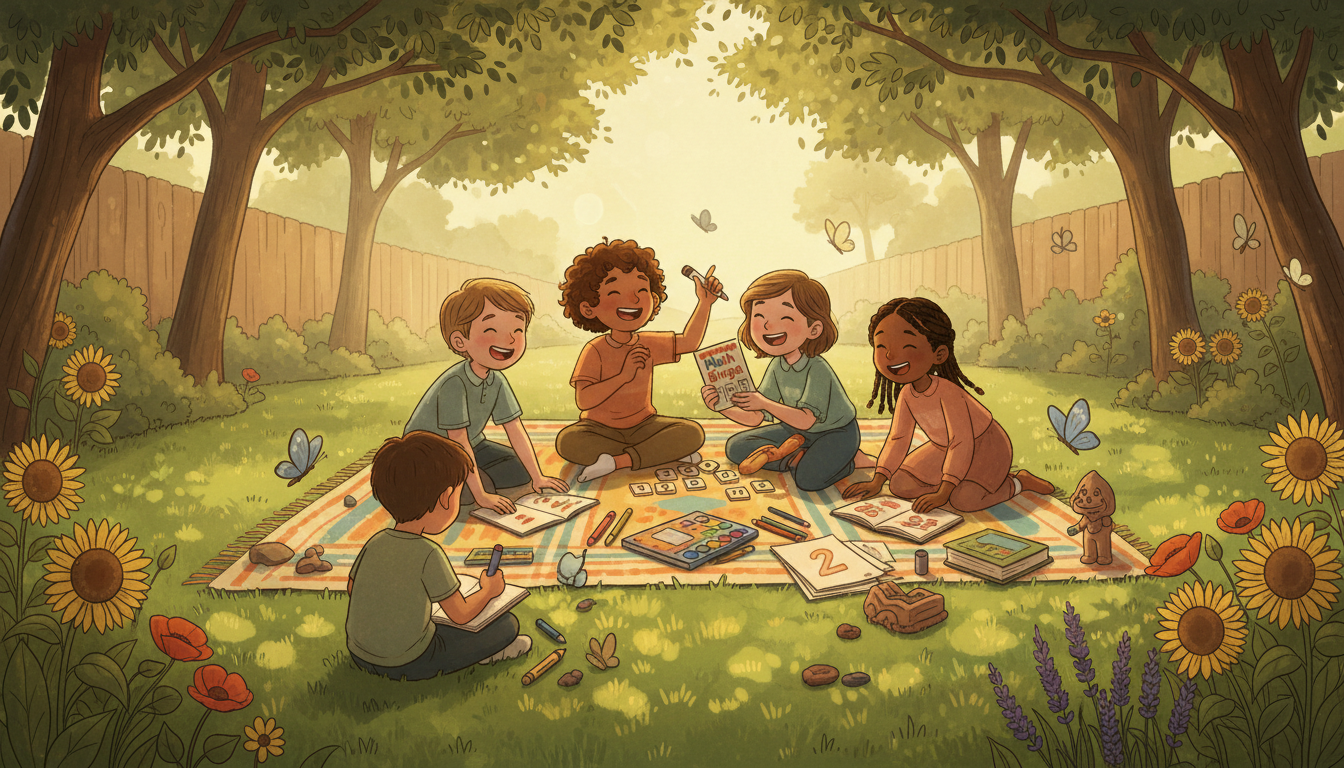
Empower Your Child with a Growth Mindset
Discover how cultivating a growth mindset for kids can unlock their potential and foster resilience, setting the stage for future success. A growth mindset empowers children to embrace challenges, learn from mistakes, and develop a love for learning that lasts a lifetime. Ready to help your child thrive? Here's how to get started on this transformative journey. Check out Fireside to explore more resources.
Key Takeaways
Understanding a growth mindset can significantly impact your child's success. By adopting practical strategies, you can nurture this mindset at home. Engaging activities and real-life applications further reinforce these valuable lessons.
What is a Growth Mindset for Kids?
A growth mindset, a concept extensively researched by psychologist Carol Dweck, refers to the belief that abilities and intelligence can be developed through dedication and hard work. This mindset stands in contrast to a fixed mindset, where individuals believe their qualities are static and unchangeable.
For children, a growth mindset is crucial for their development. Kids with a growth mindset see challenges as opportunities to learn and grow rather than insurmountable obstacles. This perspective can encourage curiosity and a willingness to take risks, laying the groundwork for both personal and academic success.
By fostering an environment where mistakes are seen as learning experiences, you help your child develop resilience and adaptability—skills that are essential in an ever-changing world.
Benefits of a Growth Mindset for Children
Research suggests that a growth mindset may contribute to improved academic performance. Children who believe their efforts can lead to better outcomes are more likely to persevere in challenging subjects.
Beyond academics, a growth mindset is associated with enhanced resilience and problem-solving skills. Kids learn to view setbacks as part of the learning journey, which diminishes fear of failure and fuels their ability to overcome obstacles.
Furthermore, a growth mindset bolsters emotional intelligence and adaptability. As children learn to manage their emotions in the face of challenges, they become more empathetic and socially aware—traits that contribute to healthier relationships and overall well-being.
How Can I Teach My Child About a Growth Mindset?
Start by using positive reinforcement and language that emphasizes effort over innate ability. Phrases like "You worked really hard on that!" or "I love how you tried different strategies" can reinforce the idea that persistence pays off.
Modeling growth mindset behaviors yourself is equally important. Share your own learning experiences and challenges with your child, showcasing how you tackle difficulties. This transparency validates the learning process for them.
Encourage your child to focus on their effort rather than the outcome. Praise them for trying different approaches and remind them that skills are developed over time. This shift in focus helps reduce anxiety around perfection and opens them to new experiences.
What Activities Support a Growth Mindset?
Engaging in activities that naturally foster a growth mindset can make a significant difference. Consider problem-solving games like puzzles or strategy games that challenge your child to think critically and creatively.
Collaborative tasks, such as building projects or team sports, also support a growth mindset. These activities teach kids the value of teamwork, communication, and perseverance—a trifecta of skills that underpin success in various areas of life.
Encourage your child to set personal goals, whether it's mastering a new skill or reaching a personal best in a hobby. These experiences provide tangible evidence of their progress and reinforce the power of effort and persistence.
Addressing Common Misconceptions
There are several myths about the growth mindset that can cloud understanding. One common misconception is that it simply means praising effort, regardless of outcome. In reality, a growth mindset focuses on learning and improvement, not just effort.
It's also important to set realistic expectations. While a growth mindset is powerful, it doesn't mean your child will excel at everything. Recognizing individual strengths and limitations helps maintain a balanced approach and prevents frustration.
Understanding these nuances ensures that the growth mindset is applied effectively, supporting your child's long-term development and well-being.
Real-life Success Stories of Kids with a Growth Mindset
Consider the story of a child who struggled with math but improved by focusing on the problem-solving process rather than just getting the right answer. This shift in perspective helped boost their skills and confidence over time.
Or think about a child whose fear of public speaking diminished after being encouraged to view each presentation as practice rather than a test. This approach helped transform their anxiety into a learning opportunity, inspiring both themselves and their peers.
These stories illustrate how embracing a growth mindset can transform challenges into stepping stones for success, building confidence and competence.
Conclusion and Next Steps
Nurturing a growth mindset in your child is an investment in their future. By focusing on strategies that promote learning and resilience, you're empowering them to tackle life's challenges with confidence.
Ready to dive deeper? Explore more resources and tools to support your child's growth journey. Consider incorporating apps and reading materials that emphasize growth mindset principles and provide ongoing support.