Coping skills are essential tools for kids. These skills help children manage stress, build resilience, and navigate life's ups and downs. By teaching your child effective coping skills, you're setting them up for success and emotional well-being. In this article, we'll explore practical ways to help your child develop these essential tools. And if you're looking for more resources, consider exploring various apps and platforms for comprehensive learning and support.
Understanding Coping Skills in Children
Coping skills are strategies that help individuals manage stress and difficult emotions. For children, these skills are crucial because they lay the foundation for emotional regulation and resilience. A child who learns to cope effectively can handle challenges with greater ease and confidence.
Coping skills help children understand their feelings, express themselves safely, and find healthy solutions to problems. By mastering these skills, kids can navigate school stress, social dynamics, and other daily pressures more effectively. As a parent, nurturing these abilities in your child can lead to a happier and more balanced life.
Why Are Coping Skills Important for Kids?
Coping skills are vital for a child's emotional and social development. They provide the tools needed to manage anxiety, frustration, and other strong emotions. When children learn to cope effectively, they develop a sense of control over their lives, which fosters self-esteem and confidence.
Moreover, coping skills are closely linked to resilience for kids. Resilience is the ability to bounce back from adversity, and it's a crucial trait for success. Children with strong coping mechanisms are more likely to thrive in challenging situations, whether it's dealing with a tough school assignment or a conflict with friends.
Examples of Effective Coping Skills for Kids
Let's get practical with some coping skills you can introduce to your child:
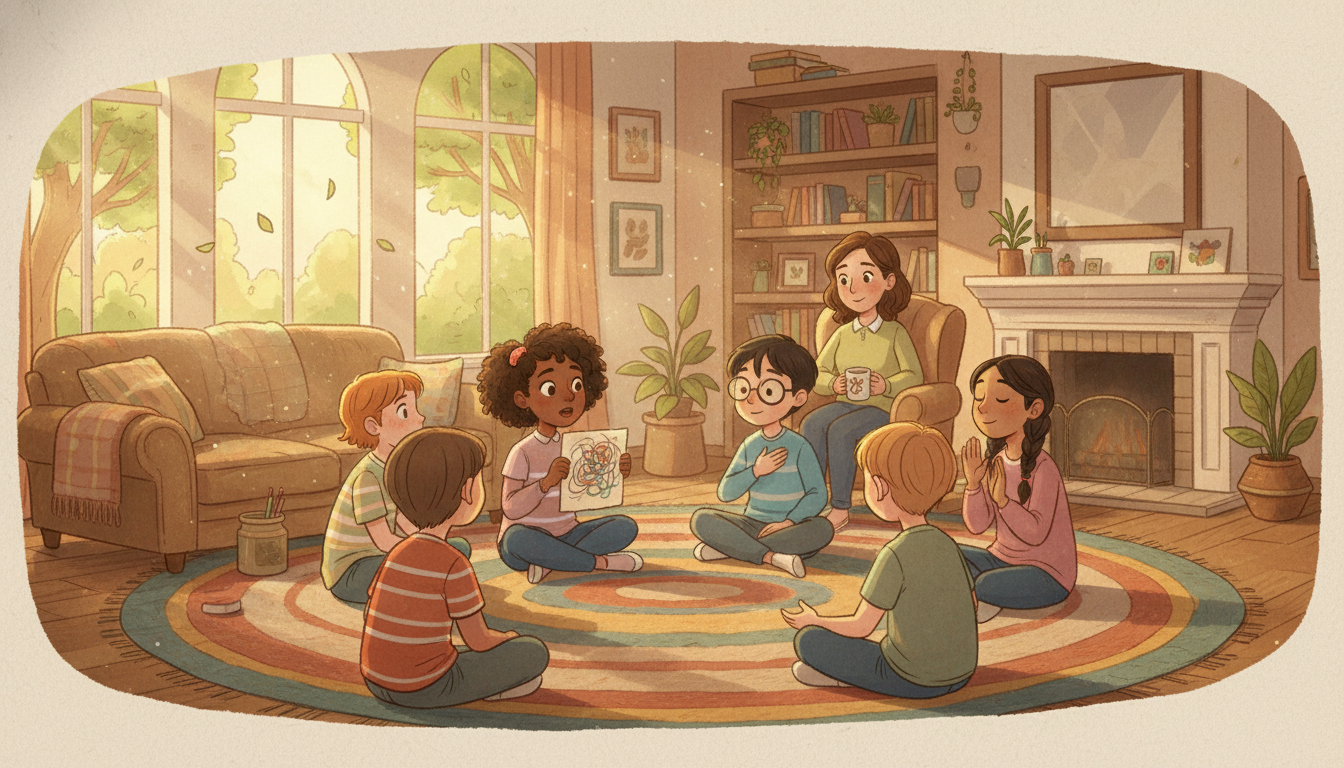
- Breathing Exercises: Teach your child to take deep breaths, inhaling slowly through the nose and exhaling through the mouth. This technique can help calm nerves and reduce stress.
- Journaling: Encourage your child to write about their feelings or daily experiences. Journaling offers a private outlet for expression and helps in emotional regulation.
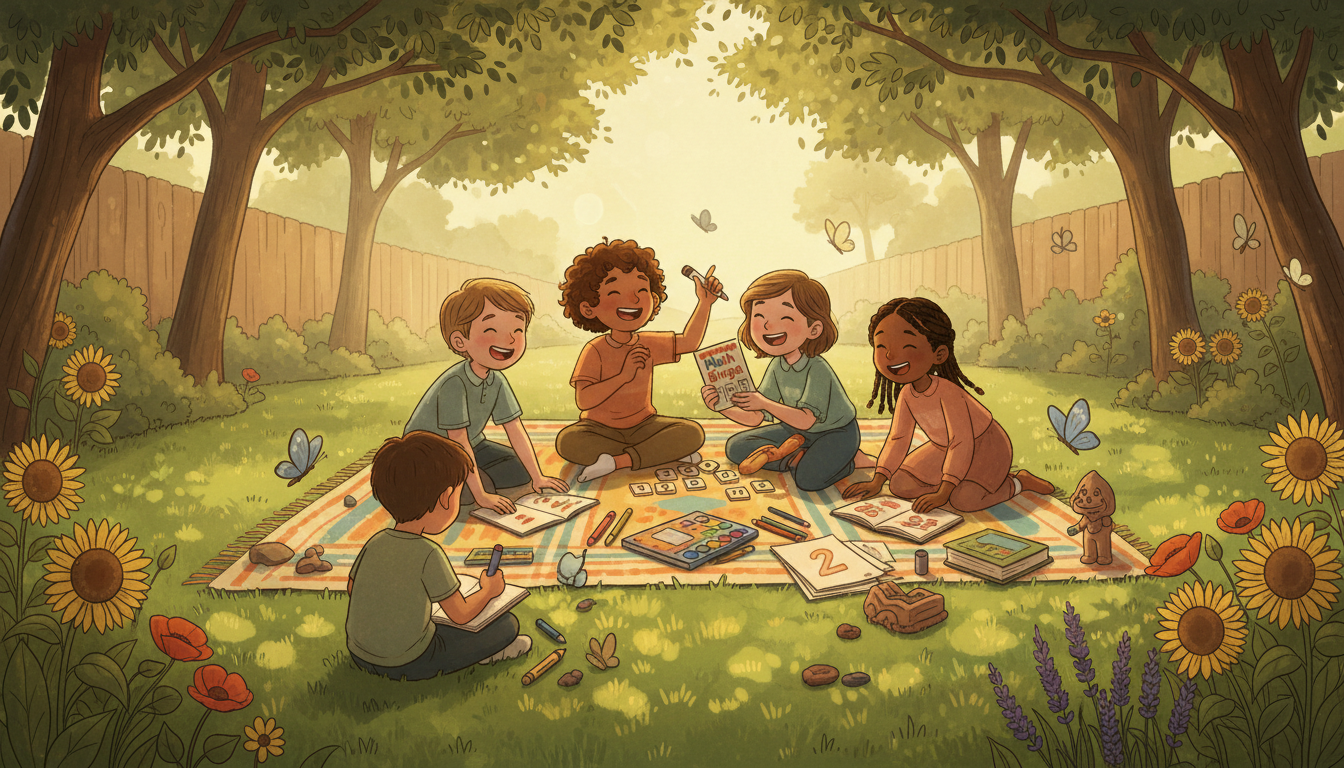
- Creative Activities: Art, music, and creative play are excellent ways for kids to express emotions and shift focus from stress to creativity.
- Physical Activities: Encourage regular exercise like biking, dancing, or playing sports. Physical activity is known to relieve stress and boost mood.
- Talking About Feelings: Create an open environment where your child feels safe sharing their thoughts and feelings without judgment.
These skills aren't just about managing stress; they're tools for life. Integrating them into your child's routine can make a significant difference in their emotional health.
How Can Parents Teach Coping Skills to Their Kids?
Teaching coping skills doesn't have to be daunting. Here are some actionable tips:
- Model Coping Behaviors: Children learn by watching, so show them how you manage stress. Whether it's taking a walk, practicing deep breathing, or talking things out, let them see you cope in healthy ways.
- Practice Together: Make coping exercises a family activity. Try breathing exercises or share what you're grateful for at the dinner table to reinforce these skills.
- Use Positive Reinforcement: Praise your child when they use coping skills. Positive reinforcement encourages them to continue using these strategies.
- Integrate Skills into Daily Routines: Incorporate coping practices into daily routines. For example, start the day with a brief meditation or end it with a gratitude list.
By embedding these practices into everyday life, you'll help your child view them as natural and essential parts of their routine.
What Activities Can Help Children Develop Coping Skills?
Fun and engaging activities make learning coping skills enjoyable:
- Mindfulness Activities: Simple mindfulness exercises, like focusing on the senses during a nature walk, can improve attention and emotional regulation.
- Digital Resources: There are many apps and online games designed to teach coping skills in interactive ways. Apps like Calm or Headspace offer child-friendly meditation and relaxation exercises.
- Role-Playing Games: Create scenarios where your child can practice coping skills in a safe environment, like pretending to handle a stressful situation.
These activities not only reinforce coping skills but also strengthen the parent-child bond. Plus, they can be easily adapted to suit your child's interests.
Recognizing When Your Child Needs More Help
Sometimes, despite your best efforts, your child may struggle. Here are signs that they might need additional support:
- Persistent sadness or withdrawal from activities they once enjoyed.
- Sudden changes in behavior or eating and sleeping patterns.
- Expressing feelings of hopelessness or extreme anger.
If you notice these signs, it might be time to seek professional help. A child therapist or counselor can provide support tailored to your child's needs.
Resources for Further Learning and Support
To deepen your understanding of coping skills for kids, consider these resources:
- Books: "The Whole-Brain Child" by Daniel J. Siegel offers insights into child development and practical parenting strategies.
- Online Courses: Websites like Coursera and Udemy provide courses on child psychology and behavior management.
- Apps: Explore various apps that offer learning and support for parents looking to enhance their child's emotional well-being.
Conclusion
Empowering your child with coping skills is one of the greatest gifts you can give. These skills can help them manage stress and contribute to building a foundation for resilience and emotional health. Start today by incorporating these strategies into your daily life.
Ready to dive deeper? Explore more parenting resources and connect with other parents on this journey. Together, we can raise resilient, confident, and emotionally healthy children.