Top Educational Games for 8 Year Olds: Boost Fun & Learning
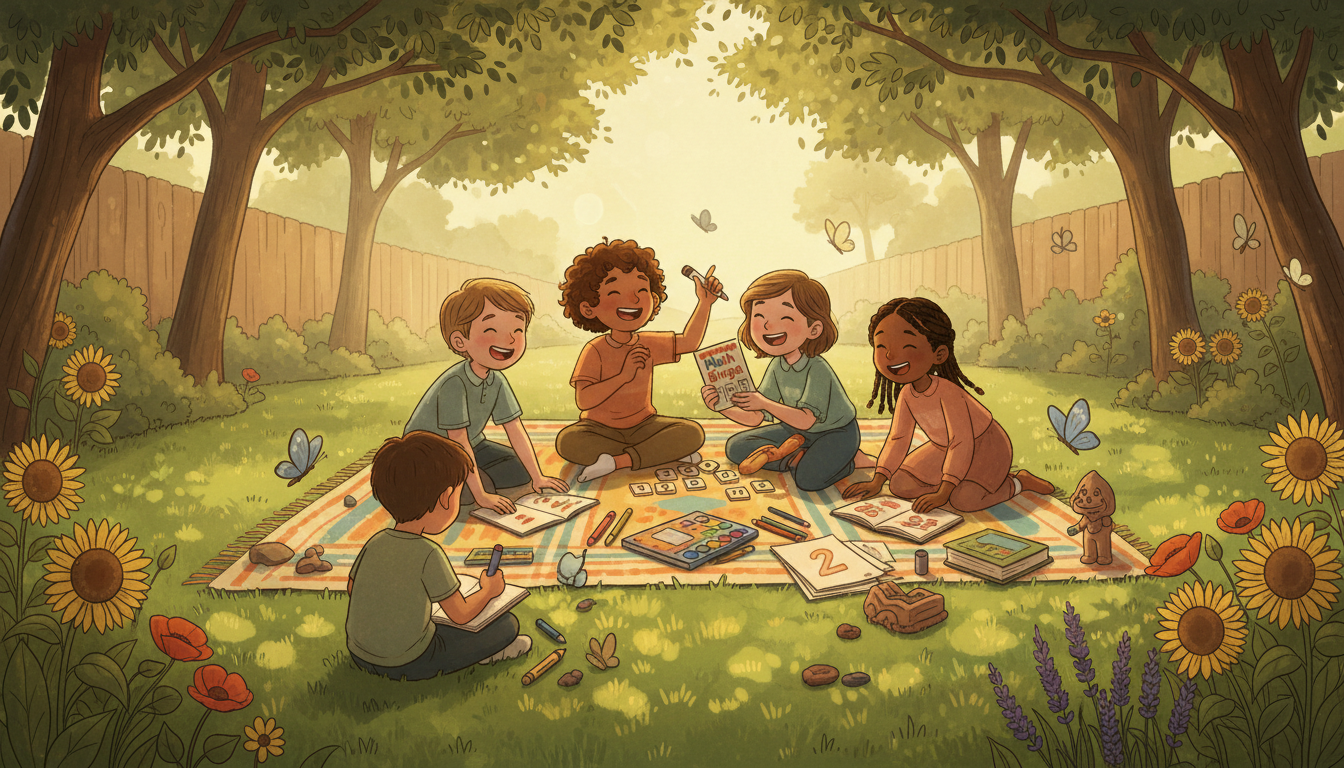
Discovering the right educational games for 8-year-olds can turn learning into an exciting adventure. These games aren't just about fun—they enhance critical thinking, creativity, and social skills. In this guide, you'll find our top picks that blend education with entertainment, perfect for curious minds aged 8 to 12.
Before diving in, consider exploring Fireside, which claims to offer a variety of educational games designed to teach Brilliance, Resilience, and Character.
Key Takeaways
- Educational games enhance learning and critical thinking.
- Choose games that align with your child's interests and learning style.
- Fireside claims to offer games that focus on developing Brilliance, Resilience, and Character.
What Are Some Educational Games for 8 Year Olds?
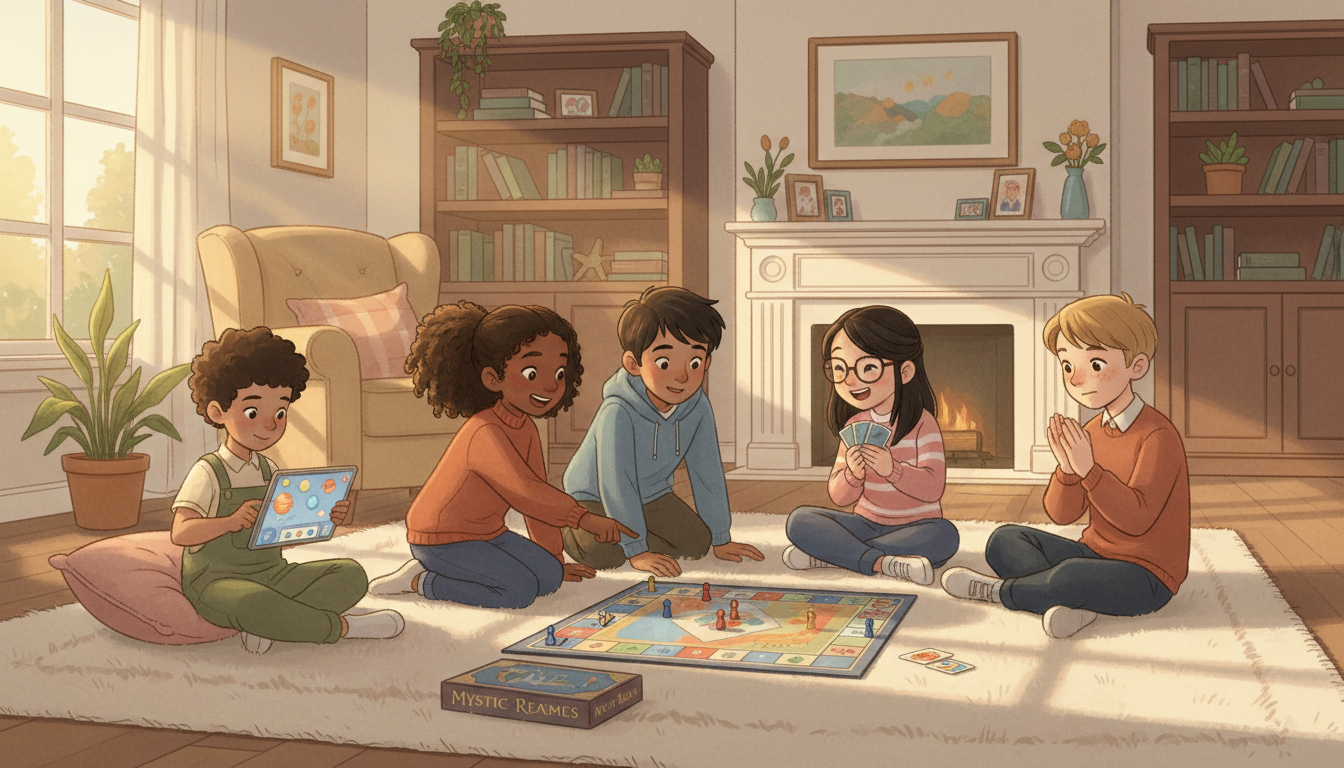
There's no shortage of educational games for 8-year-olds that can enrich their cognitive development. Including both digital and physical games ensures a balanced learning experience.
Digital Games
Explore popular apps and online platforms like Prodigy and ABCmouse. These platforms offer interactive math challenges and reading adventures tailored to your child's grade level. Khan Academy Kids is another excellent choice, offering a range of subjects with engaging videos and quizzes. The app Lightbot encourages understanding of programming logic through fun puzzles.
Board Games
Classic board games remain timeless educational tools. Monopoly Junior simplifies the classic game, teaching money management and basic math. Clue encourages logical deduction and problem-solving. For a touch of geography, Ticket to Ride invites players to strategize and plan cross-country train routes.
Why Educational Games Matter for Your Child's Growth
Educational games are pivotal in nurturing essential skills in children. They offer cognitive and emotional benefits that support overall growth.
Cognitive Benefits
Many educational games are believed to enhance memory, attention, and logical thinking. For example, puzzle games like Rush Hour challenge players to strategize and solve complex problems, promoting critical thinking. Similarly, Math Blaster combines arcade-style gameplay with math exercises, which can boost arithmetic skills and speed.
Emotional and Social Benefits
Playing games can help develop patience, resilience, and teamwork skills. Games such as The Game of Life simulate real-life scenarios, helping children understand the impact of decisions and the value of cooperation. Additionally, social games like Pictionary foster communication and collaboration.
Top 10 Educational Games for 8 Year Olds
Selecting the right games is crucial. Here's a list of top educational games, each reviewed for educational value and fun.
Game 1: Prodigy Math Game
Overview: This adventure-based math game allows kids to practice math skills while exploring a fantasy world.
Educational Outcomes: Improves math proficiency through adaptive learning.
Where to Find It: Available on iOS, Android, and web.
Game 2: Rush Hour
Overview: A sliding block logic game that requires players to move vehicles and clear a path for the red car to exit.
Educational Outcomes: Develops strategic thinking and problem-solving skills.
Where to Find It: Available as a board game and mobile app.
Game 3: ABCmouse
Overview: An online learning platform offering activities across various subjects, including reading, math, and art.
Educational Outcomes: Supports early literacy and numeracy skills.
Where to Find It: Subscription service available online and through app stores.
Game 4: Clue
Overview: A classic mystery game where players deduce the who, what, and where of a fictional crime.
Educational Outcomes: Enhances logical thinking and critical analysis.
Where to Find It: Available in stores and online as a board game.
Game 5: Lightbot
Overview: A programming puzzle game that introduces basic coding concepts.
Educational Outcomes: Encourages logical reasoning and coding skills.
Where to Find It: Available on mobile app stores.
Game 6: The Game of Life
Overview: A board game that simulates life choices, careers, and family dynamics.
Educational Outcomes: Teaches decision-making and financial literacy.
Where to Find It: Widely available as a board game in stores and online.
Game 7: Khan Academy Kids
Overview: An app offering a variety of educational activities across core subjects.
Educational Outcomes: Reinforces reading, writing, and math skills through interactive learning.
Where to Find It: Free app available on iOS and Android.
Game 8: Pictionary
Overview: A drawing and guessing game that promotes creative thinking.
Educational Outcomes: Enhances communication and teamwork.
Where to Find It: Available in toy stores and online.
Game 9: Ticket to Ride
Overview: A strategy board game about building railroad tracks across the country.
Educational Outcomes: Promotes strategic planning and geographical awareness.
Where to Find It: Available in board game stores and online.
Game 10: Math Blaster
Overview: An arcade-style math game that offers fast-paced challenges.
Educational Outcomes: Improves math skills and reaction time.
Where to Find It: Available as a digital download on various platforms.
How to Choose the Right Game for Your 8 Year Old
Choosing the right game involves understanding your child's interests and learning needs.
Assessing Educational Value
Look for games that align with your child's learning objectives and have positive educational reviews. Games that incorporate real-world skills and problem-solving can be particularly beneficial. Verify educational credentials by checking if the game is supported by educators or educational institutions.
Balancing Screen Time
While digital games are engaging, it's crucial to manage screen time effectively. Encourage breaks and balance with physical activities. For more strategies, explore our article on how much screen time is appropriate for a 10-year-old.
How Can I Make Learning Fun for My Child?
Integrating learning games into daily routines can make education seamless and enjoyable for your child.
Incorporating Games in Daily Life
Use games during regular activities, such as setting a math challenge during breakfast or a quick puzzle before dinner. Create playful competitions with rewards, like earning points for chores completed or books read. This approach not only motivates learning but also strengthens family bonds.
Frequently Asked Questions
Are there free educational games for kids?
Yes, many websites and apps offer free educational games for children, providing a cost-effective way to enhance learning.
What types of games help with math skills?
Games that involve counting, problem-solving, and strategy, such as puzzles and math-based board games, are excellent for enhancing math skills.
What are the best board games for 8 year olds?
Popular board games for 8-year-olds include Monopoly Junior, Clue, and Ticket to Ride, all of which promote strategic thinking and teamwork.
How do educational games benefit children?
Educational games enhance cognitive skills, promote social interaction, and encourage emotional growth by teaching patience and resilience.
How can I assess the educational value of a game?
Look for games that align with learning objectives, have educational reviews and ratings, and offer cognitive and social benefits.
Encourage learning through play with the best educational games for 8-year-olds, and see how they turn curiosity into lifelong knowledge.