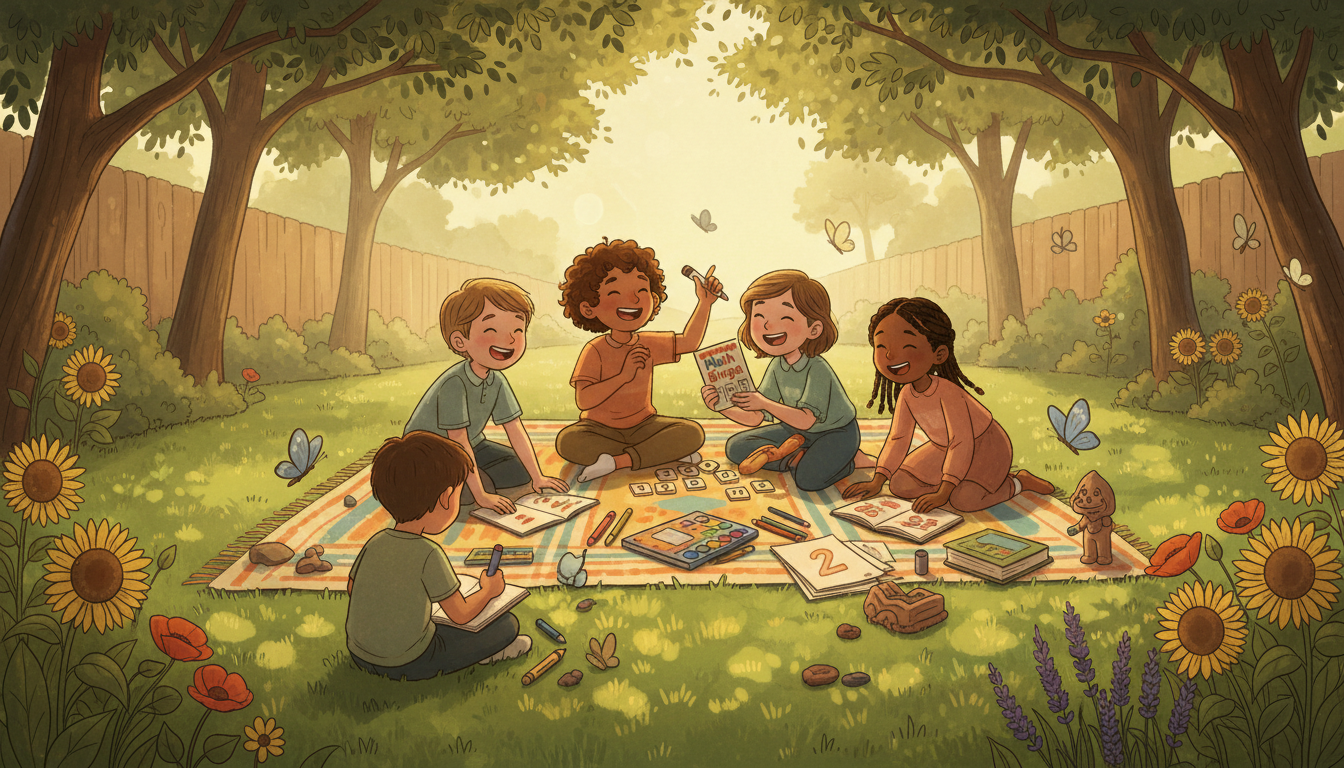
Empowering your child with age-appropriate responsibilities is a crucial step in their development. This practice not only boosts their confidence but also equips them with essential life skills. Understanding the right responsibilities for each age group can significantly aid their growth. Let’s dive into how you can best support your child in this journey. By the way, you might want to explore the Fireside app—it’s a tool some parents may find useful for engaging your child in responsibility learning.
Key Takeaways
- Age-appropriate responsibilities are crucial for child development.
- Practical tasks can boost a child's confidence and skills.
- Understanding the right responsibilities for each age group aids growth.
What Are Age Appropriate Responsibilities for Kids?
Age-appropriate responsibilities refer to tasks that are suited to a child's developmental stage and maturity level. These responsibilities should challenge but not overwhelm your child. Tailoring tasks to their age ensures they are learning and growing at a pace that is right for them.
Understanding Developmental Stages
To determine what responsibilities are appropriate, it's vital to consider your child's cognitive and emotional development. As children grow, their ability to understand complex instructions and manage emotions improves. This readiness directly influences their capacity to handle more significant responsibilities. For instance, an 8-year-old might manage simple chores, while a 12-year-old could handle more complex tasks like meal prep.
Why Responsibilities Matter for Kids
Giving children responsibilities teaches them valuable life skills and builds their character. It encourages independence, resilience, and a sense of achievement.
Impact on Child Development
Responsibilities help develop social and emotional skills. When children contribute to household tasks, they learn teamwork and cooperation. Moreover, these skills can lead to improved academic performance as organizational skills and time management are honed through regular responsibilities.
Breakdown of Responsibilities by Age
Understanding what tasks are suitable for your child’s age group helps in setting realistic expectations and fostering growth. Let’s break it down:
Responsibilities for 8-9 Year Olds
At this stage, children can handle simple chores such as setting the table or sorting laundry. These tasks teach basic responsibility and self-reliance. Additionally, encouraging basic self-care tasks like getting dressed and brushing teeth without supervision fosters independence.
Responsibilities for 10-12 Year Olds
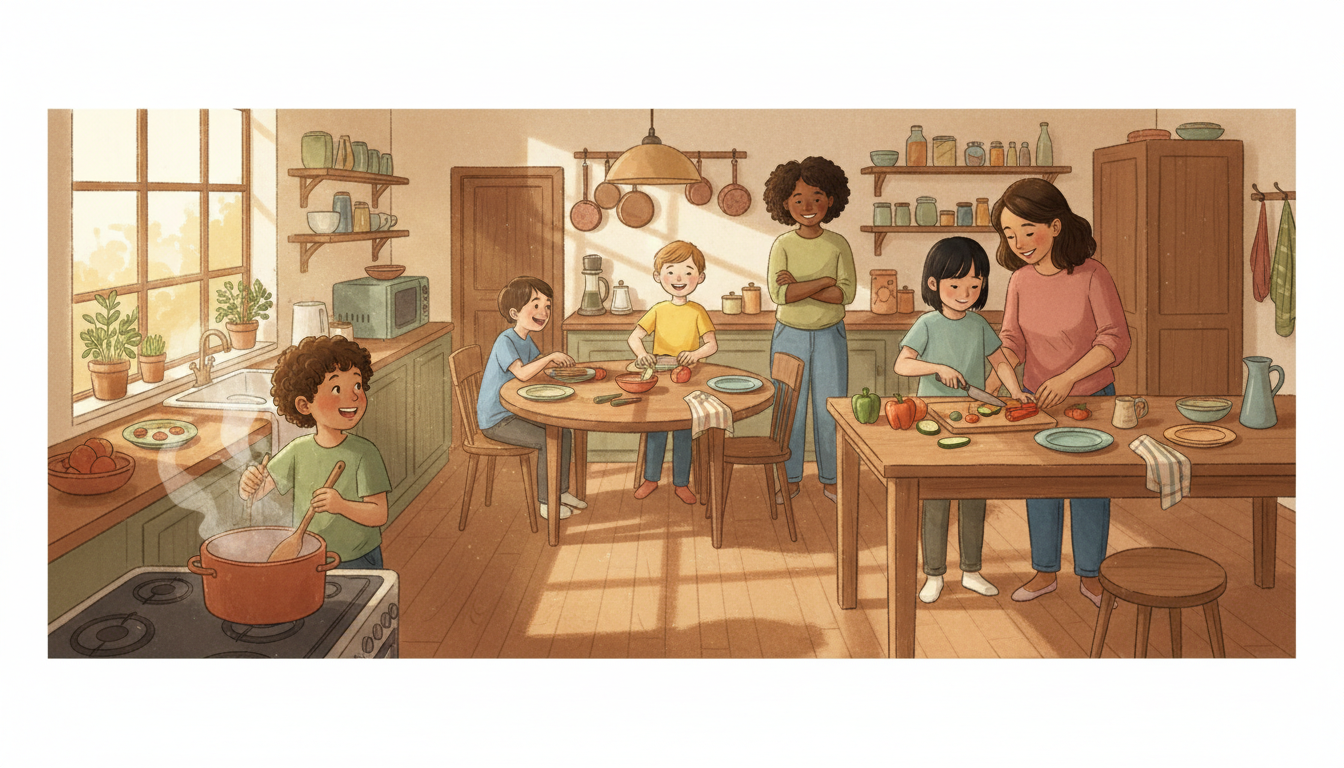
As children approach their tween years, they are ready for more intricate tasks. They can start preparing simple meals or help with grocery shopping, which enhances planning skills. Involvement in family decision-making, like choosing a weekend activity, can also be introduced. This not only builds confidence but also gives them a sense of belonging and importance in family dynamics.
How to Introduce Responsibilities to Kids
Introducing responsibilities should be a gradual process, tailored to your child's readiness and interest.
Strategies for Success
Use positive reinforcement to encourage your child's efforts. Praise them for a job well done or offer small rewards. Setting clear expectations and establishing routines can also make the transition smoother. For instance, having a chore chart can provide visual motivation and structure.
Common Challenges and Solutions
Even with the best intentions, introducing responsibilities can come with challenges.
Dealing with Resistance
Resistance is common, but you can overcome it by motivating your child through engaging tasks. Make responsibilities fun, like turning cleaning into a timed challenge. Communication plays a key role in addressing reluctance. Discuss why each task is important and how it benefits the family, allowing your child to feel more connected to their role within the household.
Resources for Parents
There are plenty of interactive tools and checklists available to support you in teaching responsibility.
Fireside: Enhance Brilliance, Resilience, and Character
The Fireside app is a resource that some parents may find useful for enhancing their child's responsibility learning. It offers a variety of features such as task tracking and reward systems that help reinforce positive behavior and growth. By integrating technology, you can make learning responsibilities engaging and effective.
Explore more about how the Fireside app can support you and your child in this journey.
Frequently Asked Questions
What responsibilities should a 5-year-old have?
Simple tasks like tidying toys and helping with small chores are suitable for 5-year-olds.
How can I teach my child responsibility?
Start with age-appropriate tasks, use positive reinforcement, and model responsible behavior.
What chores are suitable for a 7-year-old?
Chores like setting the table, feeding pets, and organizing their room are appropriate for 7-year-olds.
At what age should kids start doing chores?
Children can start doing simple chores as early as 3-4 years old, gradually increasing complexity with age.
How do responsibilities help children develop life skills?
Responsibilities teach time management, problem-solving, and self-discipline, which are essential life skills.
Introducing age-appropriate responsibilities to your child is a rewarding journey that equips them with crucial skills for life. Remember, the goal is to empower your child, not to burden them. With the right approach, you can foster a sense of responsibility that will benefit them for years to come. Ready to start? Download the Fireside app to enhance your child’s journey in learning and growth.